
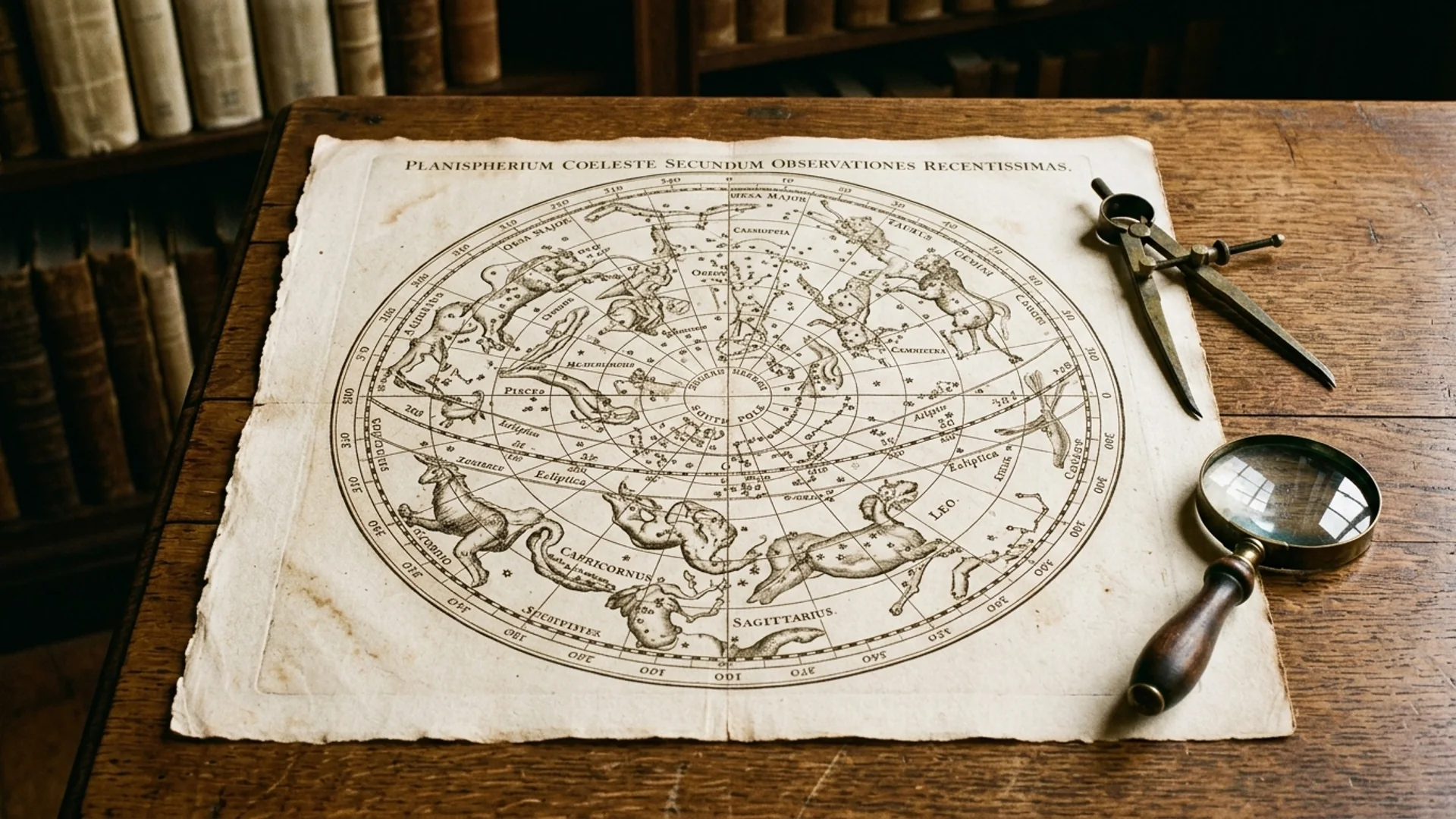
While popular astrology often reduces individuality to a single Sun sign, authentic astrological tradition views the human psyche through a harmonious multi-dimensional lens: the Solar Core, the Lunar Sanctuary, and the Ascending Horizon.
1. The Sun Sign: Conscious Will & Vital Purpose
Your Sun sign represents your conscious ego, vital life force, and core sense of purpose. It answers the fundamental question: Who am I becoming? It serves as the solar center of your psychological system.
2. The Moon Sign: Instincts & Emotional Landscape
Your Moon sign governs your instinctual emotional reactions, psychological safety needs, and private sanctuary. It reflects how you process feelings, find solace, and connect with loved ones.
3. The Ascendant (Rising Sign): The Outer Lens
The Ascendant is the zodiac degree rising on the eastern horizon at your exact birth time. It defines the layout of your twelve astrological houses and represents your immediate perception, style, and interface with the external world.
Synthesizing Your Big Three
When you synthesize your Sun (Ego purpose), Moon (Emotional sanctuary), and Rising (External lens), you uncover a multi-dimensional portrait of your character. Calculate all three placements precisely using our client-side chart engine.
Calculate Your Exact Big Three Free →Primary Sources & Classical Citations
- Ptolemy, Claudius (c. 150 CE). Tetrabiblos (Book III, Ch. 10: On the Horoscopus and the Prorogator). Translated by F.E. Robbins, Loeb Classical Library, Harvard University Press.
- Vettius Valens (c. 175 CE). Anthologiarum Libri IX (Books I–II: On the Luminaries, the Hour-Marker Ascendant, and Planetary Configurations). Translated by Mark T. Riley.
- Brennan, Chris (2017). Hellenistic Astrology: The Study of Fate and Fortune (Ch. 11: The Ascendant and Planetary Frameworks). Amor Fati Publications.