Maya Mesoamerican Temple Observatory and Tzolk'in Sun Stone
✦ Mesoamerican Heritage Engine ✦

Maya Tzolk'in Sacred Calendar

The 260-day sacred almanac: 20 day signs (Nawales) × 13 Tzolk'in Numbers (Sacred Tones). Calculated via the authoritative GMT 584283 correlation constant.

✦ Maya Tzolk'in Tradition ✦

5-Tier Epistemological Truth Standard

Explore the primary artifacts, peer-reviewed monographs, astronomical ephemerides, and living tradition ethnography behind this page.

Methodology Version: 2026.W05 Last Verified: September 2026
Tier A

Calculated Astronomical Fact

Deterministic conversion arithmetic conditional on the GMT 584283 correlation model linking the 260-day Tzolk'in and 365-day Haab' to Julian Day Numbers (JDN).

Tier B

Primary Historical Evidence

  • Dresden Codex Venus Table (pp. 24, 46–50)
  • Quiriguá Stela C Long Count cosmogonic inscription (13.0.0.0.0 4 Ajaw 8 Kumk'u)
  • Copán Altar Q dynastic succession monument
Tier C

Scholarly Academic Interpretation

Goodman-Martínez-Thompson (GMT 584283) correlation model supported by academic consensus; Kennett et al. (2013) radiocarbon wiggle-matching strongly supporting the GMT correlation within confidence intervals.

Tier D

Living Indigenous Tradition

Active Living Tradition: Maintained through continuous communal cultural lineage and living practice.

Living ritual daykeeping actively practiced by contemporary Highland Guatemala K'iche' daykeepers (Ajq'ijab'), ethnographically documented by Barbara Tedlock (1982/1992).

Tier E

Modern OmniZodiac Interpretation

Qualitative day-sign personal reflection archetypes, trecena guidance, and introspective calendar mindfulness.

✦ Calendar Round ✦

Interlocking Maya Calendar Systems

The 52-Haab' year cycle (18,980 days) synchronizing Tzolk'in and Haab' positions.

✦ MODERN VISUALIZATION OF TZOLK'IN + HAAB' INTERLOCK ✦ ✦ MONUMENTAL EPIGRAPHIC CORRELATION ✦

52-Year Calendar Round

LCM(260, 365) = 18,980 Days = 73 Tzolk'in Cycles = 52 Haab' Solar Years

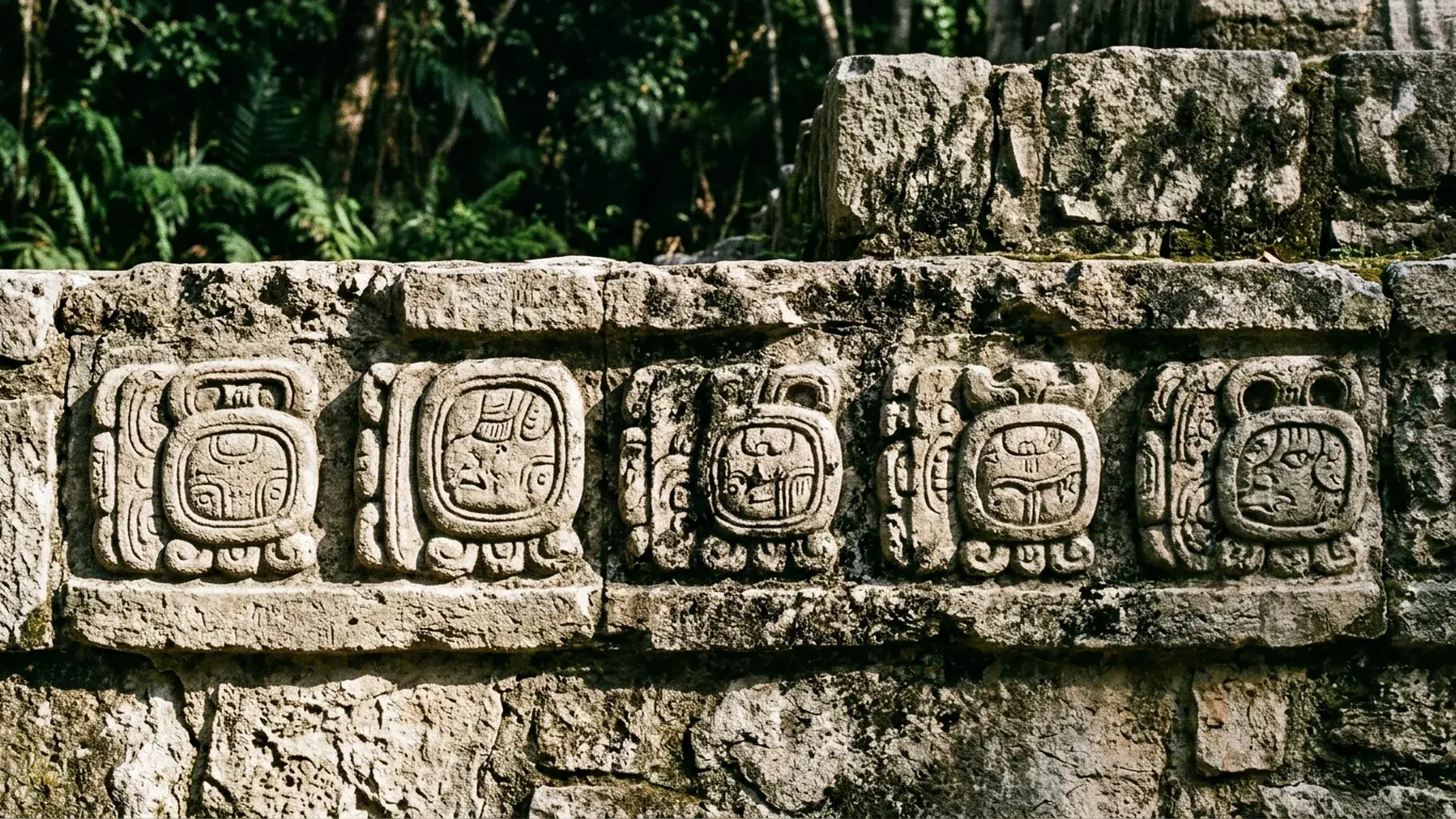
Classical Maya daykeepers recorded these permutations on carved limestone stelae and folded bark-paper codices rather than mechanical gear trains. This visualization mathematically models the 52-year synchrony between the sacred and solar counts.

Tzolk'in (Sacred Almanac) (260)
4 Ajaw
« Sun Lord, Sovereign, Cosmic Enlightenment »
18,980 52 Solar Years • 18,980 Days
Haab' (Solar Civil Year) (365)
8 Kumk'u
20 Days (1 Winal)
260
260 DAYS 13 Numbers × 20 Day Signs
365
365 DAYS 18 Winal × 20 + 5 Wayeb'
18,980
LCM = 18,980 Days 73 Tzolk'in = 52 Haab' Years
Tzolk'in (Sacred Almanac)
4 Ajaw
Sun Lord, Sovereign, Cosmic Enlightenment
SACRED CYCLES
Haab' (Solar Civil Year)
8 Kumk'u
20 Days (1 Winal)
Im Ik Ak K' Ch Ki Ma La Mu Ok Ch Eb B' Ix Me Ki Ka Et Ka Aj 1 2 3 4 5 6 7 8 9 10 11 12 13 TZOLK'IN 4 Ajaw 260 DAYS Po Wo Si So Se Xu Ya Mo Ch Ya Sa Ke Ma K' Mu Pa K' Ku Wa HAAB' 8 Kumk'u 365 DAYS ALIGNMENT 52 YEARS Tzolk'in 260 (13×20) · Haab' 365 (18×20+5) · LCM = 18,980 Days (73 × 260 = 52 × 365)
✦ 52-Year Calendar Round (18,980 Days) ✦
Creation Epoch: 4 Ajaw 8 Kumk'u (13.0.0.0.0)

20 Sacred Day Signs (Nawales)

# Yukatek K'iche' Meaning Direction Explore
1 Imix Imox Crocodile, Water Lily, Primordial Origin East View →
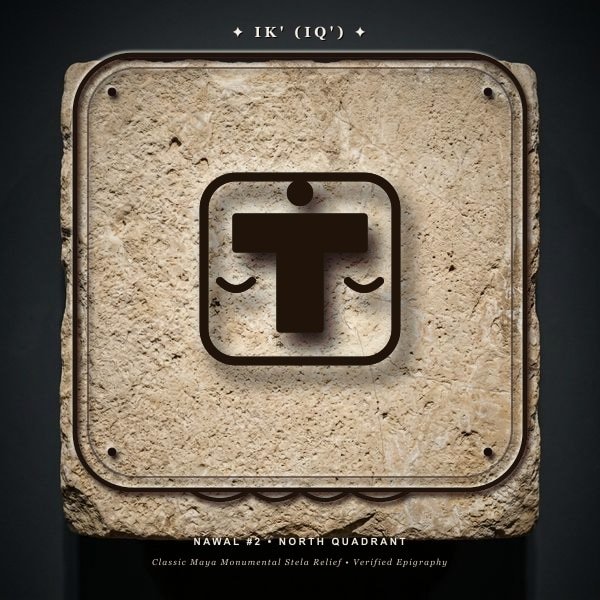
2 Ik' Iq' Wind, Spirit, Sacred Breath of Life North View →
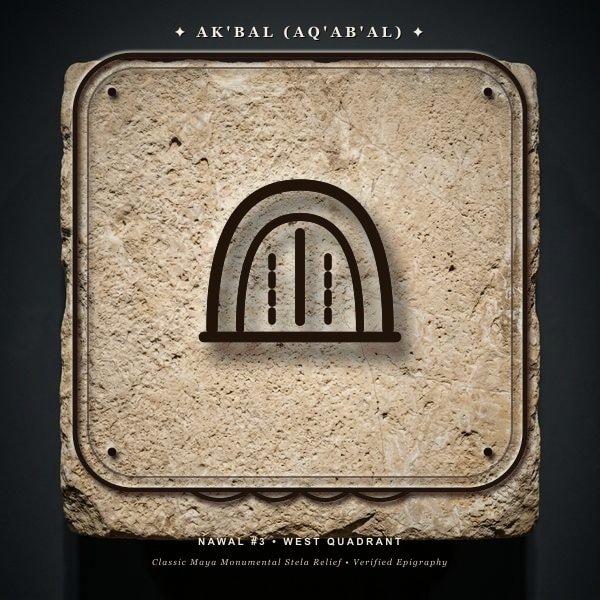
3 Ak'bal Aq'ab'al Night, Darkness, Temple Hearth West View →
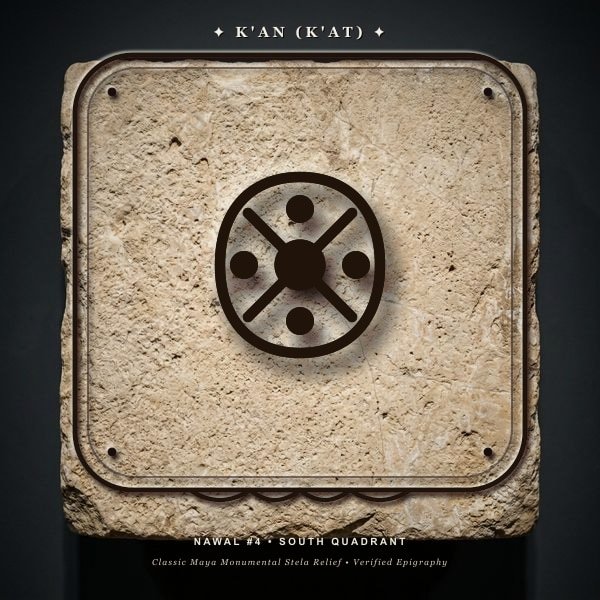
4 K'an K'at Maize Seed, Net, Abundance South View →
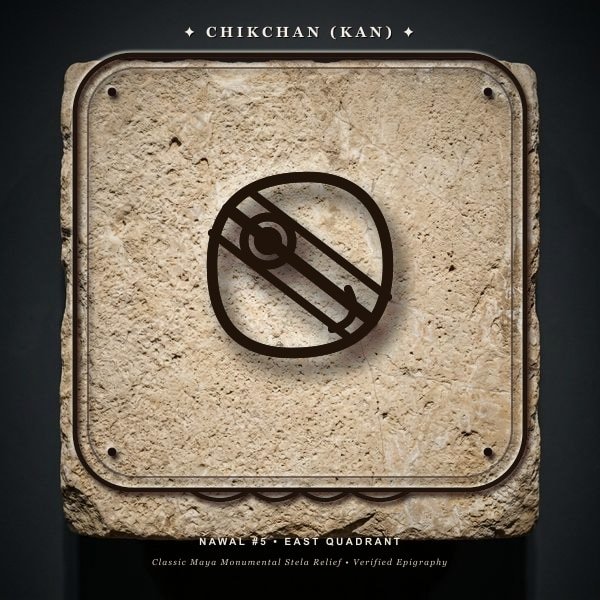
5 Chikchan Kan Celestial Serpent, Life Force East View →
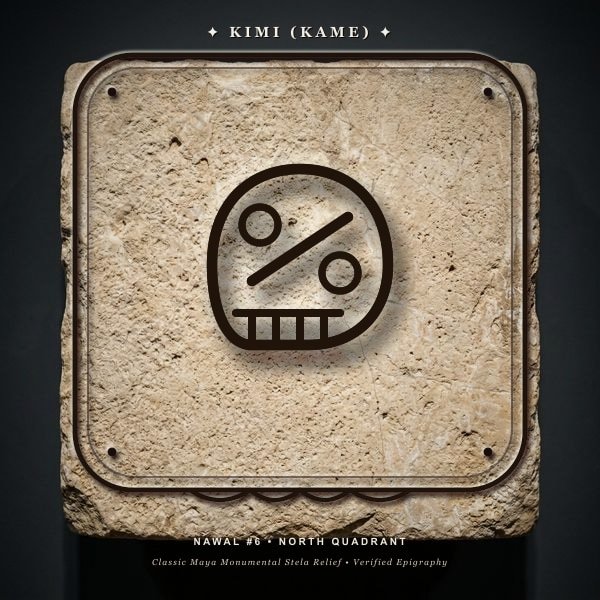
6 Kimi Kame Death, Transformation, Rebirth North View →
7 Manik' Kej Deer, Grasping Hand, Healing West View →
8 Lamat Q'anil Venus Star, Rabbit, Abundant Harvest South View →
9 Muluk Toj Water, Rain Offering, Jade Droplet East View →
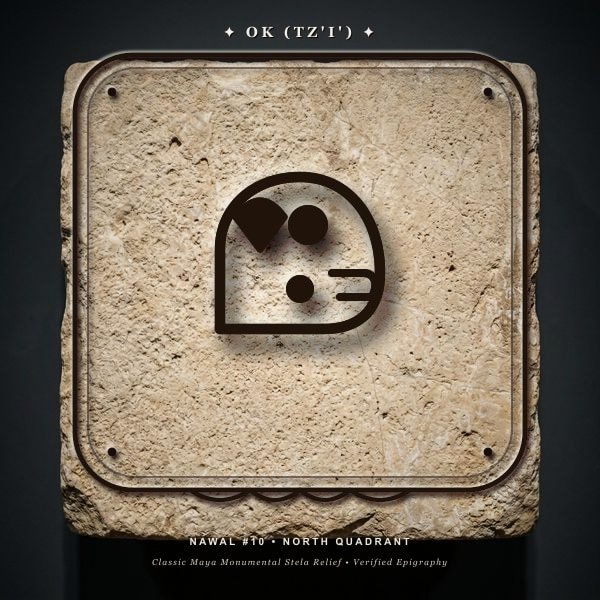
10 Ok Tz'i' Dog, Guide, Justice and Fidelity North View →
11 Chuwen B'atz' Howler Monkey, Master Artisan, Time Thread West View →
12 Eb' E Grass, Cosmic Ladder, Road of Life South View →
13 B'en Aj Reed, Cornstalk, Royal Authority East View →
14 Ix I'x Jaguar, Earth Mother, Shamanic Feminine North View →
15 Men Tz'ikin Eagle, High Vision, Celestial Wisdom West View →
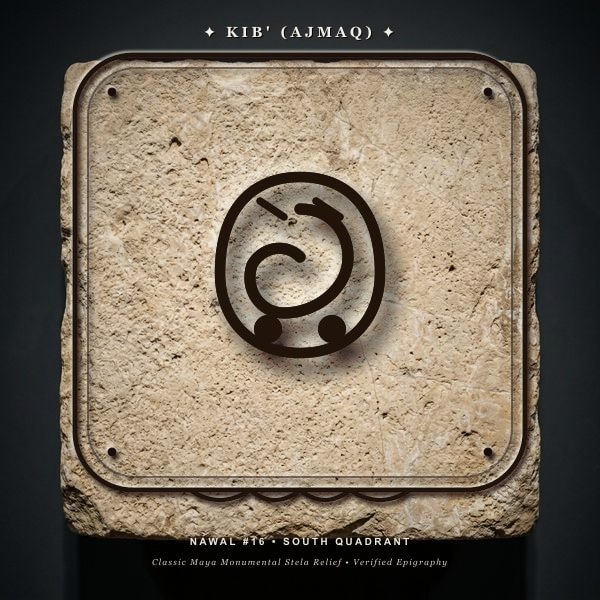
16 Kib' Ajmaq Vulture, Owl, Incense of Ancestral Pardon South View →
17 Kab'an No'j Earth, Earthquake, Dynamic Mind East View →
18 Etz'nab' Tijax Flint, Obsidian Knife, Discernment of Truth North View →
19 Kawak Kawoq Storm, Rain Cloud, Divine Feminine West View →
20 Ajaw Ajpu Sun Lord, Sovereign, Cosmic Enlightenment South Active

19 Haab' Solar Months

# Month Duration Significance Status
1 Pop 20 Days 20 Days (1 Winal)
2 Wo 20 Days 20 Days (1 Winal)
3 Sip 20 Days 20 Days (1 Winal)
4 Sotz' 20 Days 20 Days (1 Winal)
5 Sek 20 Days 20 Days (1 Winal)
6 Xul 20 Days 20 Days (1 Winal)
7 Yaxk'in 20 Days 20 Days (1 Winal)
8 Mol 20 Days 20 Days (1 Winal)
9 Ch'en 20 Days 20 Days (1 Winal)
10 Yax 20 Days 20 Days (1 Winal)
11 Sak 20 Days 20 Days (1 Winal)
12 Keh 20 Days 20 Days (1 Winal)
13 Mak 20 Days 20 Days (1 Winal)
14 K'ank'in 20 Days 20 Days (1 Winal)
15 Muwan 20 Days 20 Days (1 Winal)
16 Pax 20 Days 20 Days (1 Winal)
17 K'ayab' 20 Days 20 Days (1 Winal)
18 Kumk'u 20 Days 20 Days (1 Winal) Active
19 Wayeb' 5 Days 5 Wayeb' (Nameless Days)
260

Tzolk'in (Sacred Almanac)

260 Days = 13 Sacred Numbers × 20 Nawales

The 260-day ritual count governing divination, sacred ceremonies, and personal destiny archetypes.

365

Haab' (Solar Civil Year)

365 Days = 18 Months × 20 Days + 5 Wayeb'

The 365-day solar calendar tracking agricultural seasons, communal festivals, and planetary cycles.

18,980

52-Year Calendar Round

LCM(260, 365) = 18,980 Days = 73 Tzolk'in Cycles = 52 Haab' Solar Years

Because 260 and 365 share a common factor of 5, the exact date combination (e.g., 4 Ajaw 8 Kumk'u) recurs only once every 18,980 days (52 solar years), commemorated in Maya epigraphy through period-ending ceremonies, stela dedications, and calendar renewals (distinguished from Central Mexican New Fire rituals).

Calculate Your Maya Sign

Discover your Tzolk'in day sign (Nawal), tone, Haab' date, Long Count, and full Calendar Round.

Open Maya Calculator → →
Dresden Codex Hieroglyphic Screenfold Manuscript Venus Table
✦ Archaeological & Celestial Record ✦

The Dresden Codex Astronomical Ephemeris

Postclassic Maya astronomical tables tracking the 584-day synodic cycle of Venus and solar eclipse intervals with mathematical precision.

Sächsische Landesbibliothek Dresden (Mscr. Dresd. R 310, c. 1200–1250 CE)

Tier B: Documented Historical Material

✦ ✦ The 20 Sacred Day Signs (Nawales)

Each day sign embodies an archetype, an animal or natural force, and a cardinal direction.

✦ ✦ The 13 Tzolk'in Numbers (Sacred Tones)

The 13 tones describe the energetic frequency and creative intention of the 13-day trecena.

View All Tones →

Interlocking Maya Calendar Systems

Tzolk'in (260 Days)

The sacred spiritual almanac: 20 day signs × 13 tones = 260 unique energetic days.

Haab' (365 Days)

The solar civil year: 18 months of 20 days plus 5 reflective Wayeb' days.

Long Count

Continuous day count since August 11, 3114 BCE (Bak'tun.K'atun.Tun.Winal.K'in).

✦ ✦ Mesoamerican Primary Documentation ✦ ✦

The Four Pillars of Maya Archaeoastronomy

Original hieroglyphic screenfold codices, monumental stelae, and horizon observatories that empirically anchor our calendrical algorithms to the ancient Maya material record.

Dresden Codex screenfold manuscript pages 46-50 displaying Venus 584-day synodic calculation tables
Hieroglyphic Codex Tier B: Documented Historical Material
Yucatán Peninsula (Postclassic Maya, c. 11th–12th century CE) c. 1200–1250 CE (Postclassic Compilation)

Dresden Codex Venus Ephemeris Table

Repository & Shelfmark: Sächsische Landesbibliothek – Staats- und Universitätsbibliothek Dresden (SLUB) · Mscr. Dresd. R 310, pp. 46–50
Astronomical Function:

Tracks the 584-day synodic period of Venus (Chak Ek') across 5 consecutive cycles (2,920 days), precisely synchronizing 8 solar years with 5 Venus cycles and 65 Tzolk'in sacred cycles.

Epigraphic Significance:

Contains specialized bar-and-dot ring numbers and error-correction intervals that maintain accuracy to within one day over five centuries.

Dresden Codex eclipse warning table showing celestial sky-serpent node and hanging solar disc
Hieroglyphic Codex Tier B: Documented Historical Material
Yucatán Peninsula (Postclassic Maya, c. 12th century CE) c. 1200 CE

Dresden Codex Solar & Lunar Eclipse Warning Tables

Repository & Shelfmark: SLUB Dresden / Ernst Förstemann Epigraphic Edition · Mscr. Dresd. R 310, pp. 51–58
Astronomical Function:

Groups lunar synodic months into canonical eclipse warning intervals of 177 days (6 lunar months) and 148 days (5 lunar months) matching the nodal cycle.

Epigraphic Significance:

Depicts the sun and moon suspended from celestial bands and swallowed by serpent jaws, warning daykeepers of imminent syzygy alignment danger windows.

Monumental 10.6-meter carved sandstone Stela E at Quiriguá showing full Initial Series hieroglyphic text
Monumental Stela Tier B: Documented Historical Material
Quiriguá Archaeological Park, Motagua Valley, Guatemala Dedicated 9.17.0.0.0 13 Ajaw 18 Kumk'u (January 24, 771 CE)

Quiriguá Stela E — Tallest Carved Monolith of the Americas

Repository & Shelfmark: In situ Monument, Quiriguá UNESCO World Heritage Site · Monument 5 / Alfred Maudslay Survey Plate 48
Astronomical Function:

Marks the completion of the 17th K'atun (9.17.0.0.0), anchoring royal long count chronology to the universal creation epoch (13.0.0.0.0 4 Ajaw 8 Kumk'u).

Epigraphic Significance:

Carved under King K'ak' Tiliw Chan Yopaat from a single 65-ton block of sandstone; features full-figure and bar-and-dot calendrical glyph blocks on east and west faces.

Copán stone Altar Q showing the unbroken 16-king dynastic succession carved on four volcanic andesite panels
Monumental Stela Tier B: Documented Historical Material
Copán Acropolis, West Court, Honduras Dedicated 9.17.5.0.0 (776 CE) by King Yax Pasaj Chan Yopaat

Copán Altar Q — Dynastic Succession & Astronomical Conclave

Repository & Shelfmark: Copán Sculpture Museum / Original in situ, Acropolis Structure 16 · Monument CP-16 / Peabody Museum Maudslay Cast 1892
Astronomical Function:

Commemorates the 776 CE astronomical conclave where astronomers from across the Maya world coordinated eclipse calculations and the GMT Long Count epoch.

Epigraphic Significance:

All sixteen rulers of Copán sit upon their hieroglyphic name glyphs; founder K'inich Yax K'uk' Mo' hands the scepter of sovereignty directly to the 16th ruler.

Palenque Temple of the Inscriptions monumental limestone hieroglyphic wall panel
Monumental Stela Tier B: Documented Historical Material
Palenque Archaeological Park, Chiapas, Mexico Dedicated 9.12.11.5.18 (683 CE) by K'inich Janaab' Pakal I

Palenque Temple of the Inscriptions Tablets

Repository & Shelfmark: Temple of the Inscriptions Inner Sanctuary, Palenque · Palenque East, Central, and West Tablets (617 Hieroglyphic Glyphs)
Astronomical Function:

Projects Long Count calculations over 4,000 years into the future to 1.0.0.0.0.8 (October 21, 4772 CE) to celebrate the completion of the 80th Calendar Round of Pakal's accession.

Epigraphic Significance:

Second longest continuous Classic Maya hieroglyphic text discovered; provides the cornerstone for deciphering verbal affixes and dynastic Long Count syntax.

El Caracol cylindrical stone astronomical observatory at Chichén Itzá under deep twilight sky
Observatory Complex Tier B: Documented Historical Material
Chichén Itzá, Yucatán, Mexico (Terminal Classic, c. 800–1000 CE) c. 800–900 CE

El Caracol Conical Astronomical Observatory

Repository & Shelfmark: Chichén Itzá Archaeological Zone / INAH Mexico · Structure 3C15 (The Snail / El Caracol)
Astronomical Function:

Upper observation turret contains narrow viewing slits engineered to capture Venus maximum northern declination (azimuth 28.5°), southern declination (azimuth 260.5°), and equinoctial true sunset.

Epigraphic Significance:

Architectural manifestation of the feathered serpent Venus cult (K'uk'ulkan), synthesizing lowland Classic science with northern Yucatec Puuc building methods.

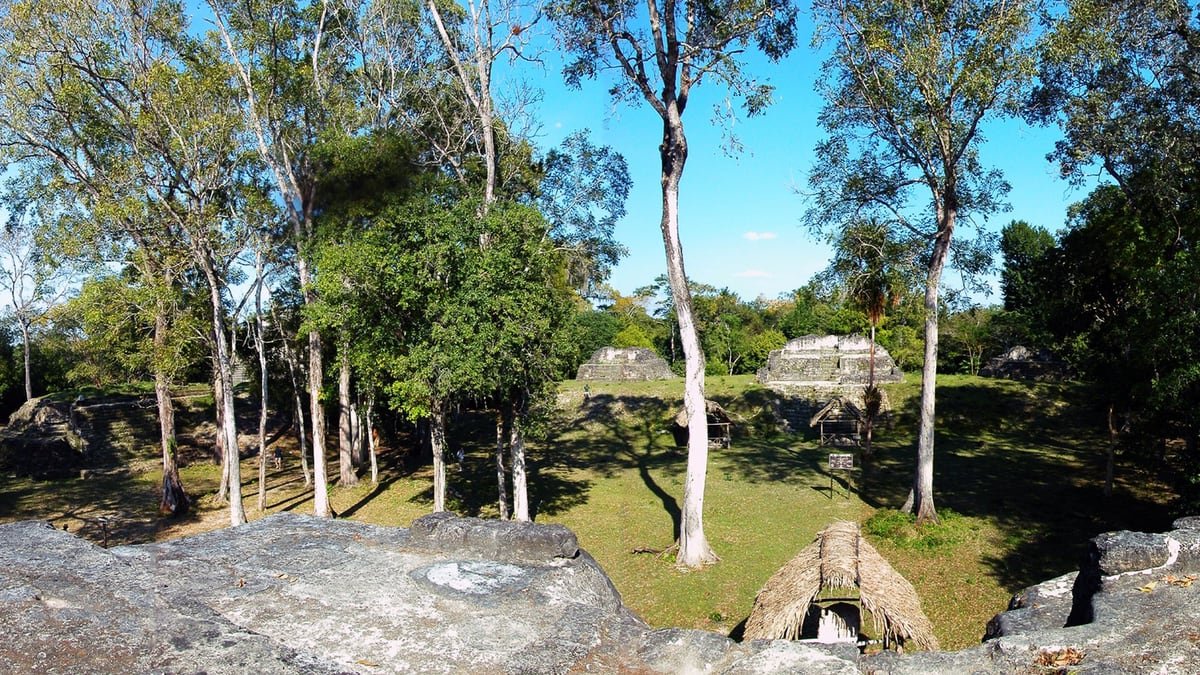
Uaxactún Group E astronomical complex showing alignment of eastern triadic temples with equinox and solstice sunrises
Observatory Complex Tier B: Documented Historical Material
Petén Basin, Guatemala (Preclassic to Classic Maya, c. 300 BCE – 600 CE) c. 300 BCE (First Phase) to 500 CE

Uaxactún Group E — The Solstitial Prototype Platform

Repository & Shelfmark: Uaxactún Archaeological Site, Petén, Guatemala · Group E Architectural Triad Complex
Astronomical Function:

An observer standing on the western radial pyramid (Structure E-VII Sub) watches the sun rise directly over Temple E-II on the Equinoxes, over Temple E-I on the Summer Solstice, and over Temple E-III on the Winter Solstice.

Epigraphic Significance:

The archetype for hundreds of "E-Group" architectural horizon calendar assemblages built across Mesoamerica over a millennium.