Chinese Lunisolar Zodiac Pagoda and Celestial Animals
✦ Lunisolar Heritage Engine ✦

Chinese Lunisolar Zodiac (生肖 Shengxiao)

Discover your authentic Chinese Zodiac animal sign, element, and trine calculated using true astronomical Lunar New Year boundaries.

✦ Chinese Lunisolar Tradition ✦

5-Tier Epistemological Truth Standard

Explore the primary artifacts, peer-reviewed monographs, astronomical ephemerides, and living tradition ethnography behind this page.

Methodology Version: 2026.W11 Last Verified: September 2026
Tier A

Calculated Astronomical Fact

Astronomical Lunar New Year (ChunJie) and Solar Term (Lichun) boundaries calculated from dynamical solar/lunar ephemerides matching Purple Mountain Observatory national standards (GB/T 33661-2017).

Tier B

Primary Historical Evidence

  • Yinxu Shang Dynasty Oracle Bone Ganzhi day-count tables (c. 1200 BCE)
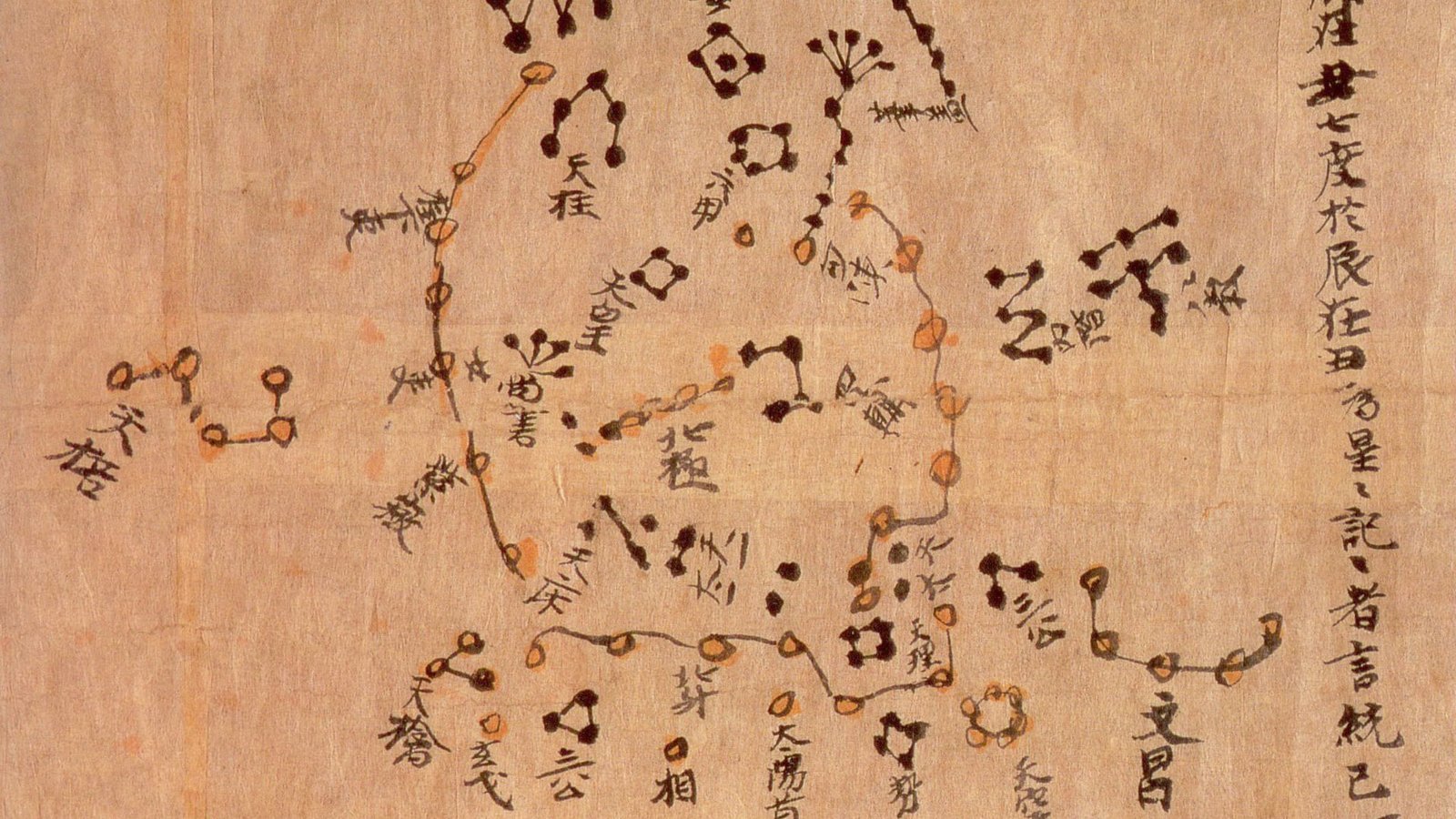
  • Dunhuang Manuscript Star Atlas (BL Or.8210/S.3326, c. 700 CE)
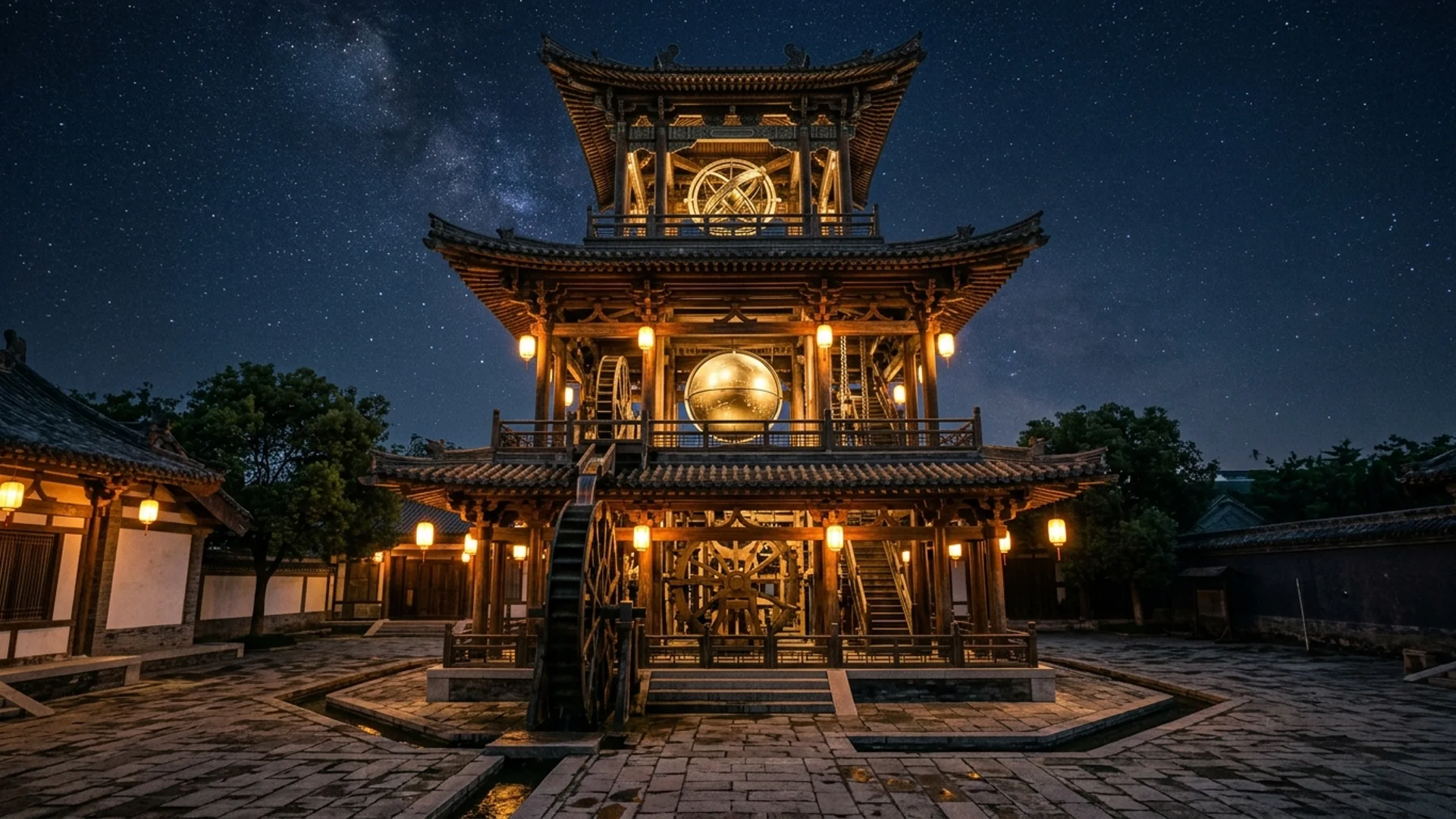
  • Su Song Xinyi Xiangfa astronomical water clock tower treatise (1092 CE)
Tier C

Scholarly Academic Interpretation

Needham & Wang (1959) Science and Civilisation in China (Vol. 3) and Han dynasty cosmological synthesis (Huainanzi Tianwenxun).

Tier D

Living Cultural and Calendrical Tradition

Active Living Tradition: Maintained through continuous communal cultural lineage and living practice.

Continuous living cultural tradition practiced globally across the Spring Festival (Chunjie), 24 solar terms (Jieqi), and the sexagenary lunisolar cycle.

Tier E

Modern OmniZodiac Interpretation

Twelve animal personality archetypes, Five Elements (Wuxing) interactions, and Four Trines compatibility reflection.

✦ Sexagenary 60-Year Cycle

12 Earthly Branches & 5 Elements

Lunisolar astronomical coordination balancing Yin/Yang polarities across Wood, Fire, Earth, Metal, and Water phases.

✦ MODERN VISUALIZATION — ARTIFACT-INSPIRED ✦ ✦ Current Year (2026)

Inspired by the Ming Dynasty Beijing Ancient Observatory bronze armillary sphere (1442 CE) and Shang dynasty oracle bone sexagenary cycles (c. 1200 BCE).

Chǒu Yín Mǎo Chén Wèi Shēn Yǒu Hài
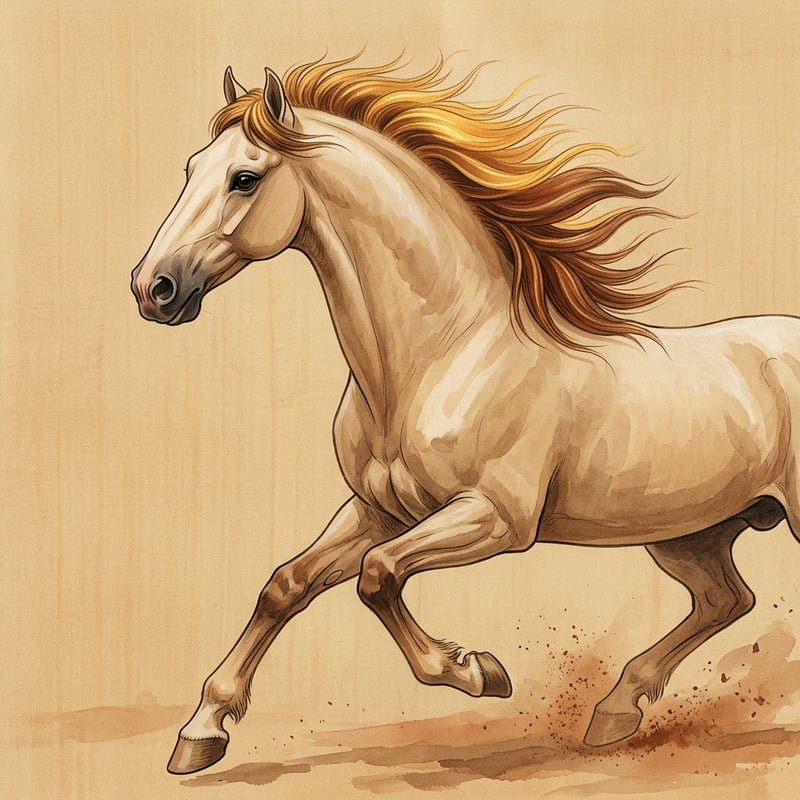
(Horse)
Double-Hour (Shichen): 11:00 – 13:00 (Wu Hour)
Cardinal Direction: South (180°)
Element: Fire
Polarity: Yang
Wood Fire Earth Metal Water 五行 WUXING
✦ Generating Cycle (Xiangsheng)

Wood feeds Fire → Fire creates Earth → Earth bears Metal → Metal enriches Water → Water nourishes Wood.

✦ Overcoming Cycle (Xiangke)

Wood parts Earth → Earth dams Water → Water extinguishes Fire → Fire melts Metal → Metal chops Wood.

# 43 / 60
丙午
Bǐng-Wǔ
Fire Horse Yang
Historical & Future Years: 1966 · 2026 · 2086
✦ Mathematical Invariant LCM(10, 12) = 60 Years

Because both Stems and Branches share an even parity factor, Yang Stems only pair with Yang Branches, and Yin with Yin, completing a closed harmonic cycle in exactly 60 solar-lunar years.

✦ Archeological Anchor: Marquis Yi of Zeng Lacquer Chest (433 BCE) ✦
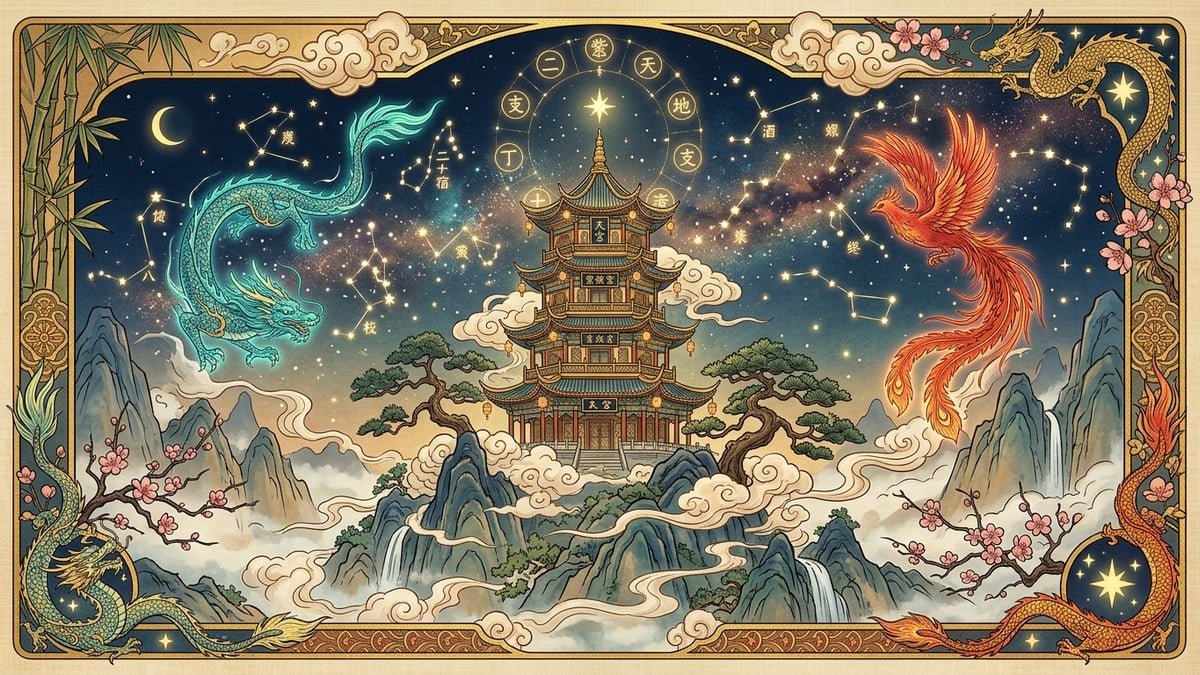
Eastern Azure Dragon (Qinglong)
Spring · Wood Element · Vernal Equinox
Jiao (Horn 角)Kang (Neck 亢)Di (Root 氐)Fang (Room 房)Xin (Heart 心)Wei (Tail 尾)Ji (Winnowing 箕)
Southern Vermilion Bird (Zhuque)
Summer · Fire Element · Summer Solstice
Jing (Well 井)Gui (Ghost 鬼)Liu (Willow 柳)Xing (Star 星)Zhang (Net 张)Yi (Wings 翼)Zhen (Chariot 轸)
西
Western White Tiger (Baihu)
Autumn · Metal Element · Autumnal Equinox
Kui (Legs 奎)Lou (Bond 娄)Wei (Stomach 胃)Mao (Hairy Head 昴)Bi (Net 毕)Zui (Turtle Beak 觜)Shen (Three Stars 参)
Northern Black Tortoise (Xuanwu)
Winter · Water Element · Winter Solstice
Dou (Dipper 斗)Niu (Ox 牛)Nü (Girl 女)Xu (Emptiness 虚)Wei (Rooftop 危)Shi (Encampment 室)Bi (Wall 壁)

12 Earthly Branches (Dizhi) Reference

Character Pinyin Animal Double-Hours (Shichen) Direction Element Polarity
Rat 23:00 – 01:00 (Zi Hour) North (0° / 360°) Water Yang
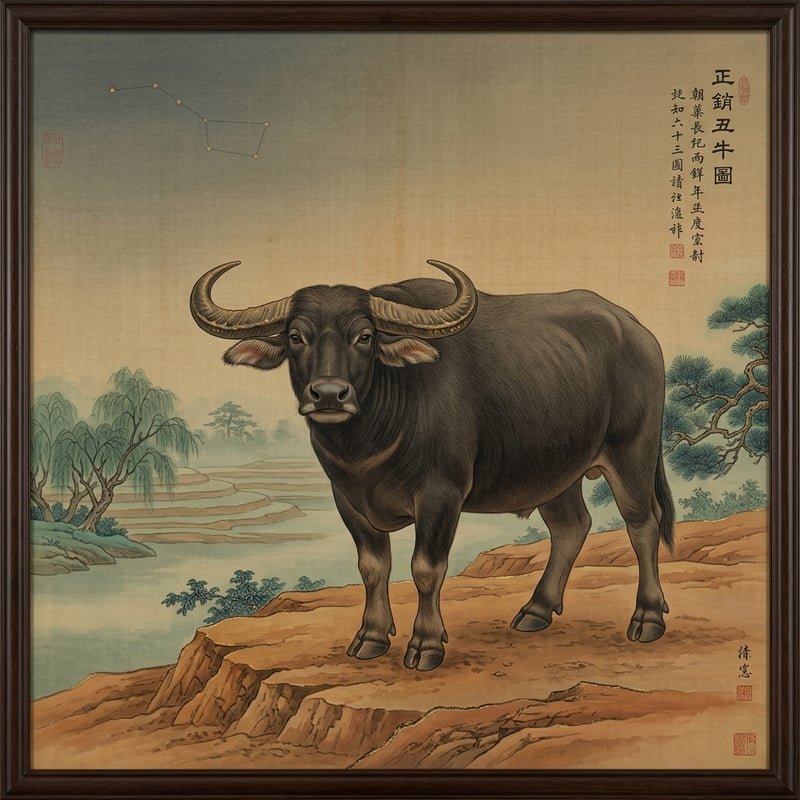
Chǒu Ox 01:00 – 03:00 (Chou Hour) North-Northeast (30°) Earth Yin
Yín Tiger 03:00 – 05:00 (Yin Hour) East-Northeast (60°) Wood Yang
Mǎo Rabbit 05:00 – 07:00 (Mao Hour) East (90°) Wood Yin
Chén Dragon 07:00 – 09:00 (Chen Hour) East-Southeast (120°) Earth Yang
Snake 09:00 – 11:00 (Si Hour) South-Southeast (150°) Fire Yin
Horse 11:00 – 13:00 (Wu Hour) South (180°) Fire Yang
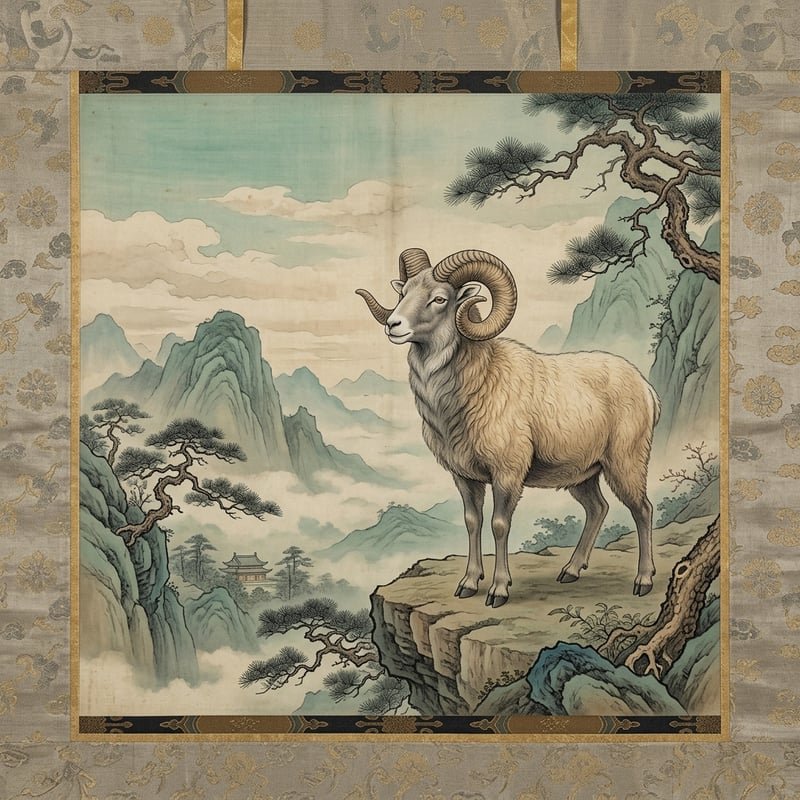
Wèi Goat 13:00 – 15:00 (Wei Hour) South-Southwest (210°) Earth Yin
Shēn Monkey 15:00 – 17:00 (Shen Hour) West-Southwest (240°) Metal Yang
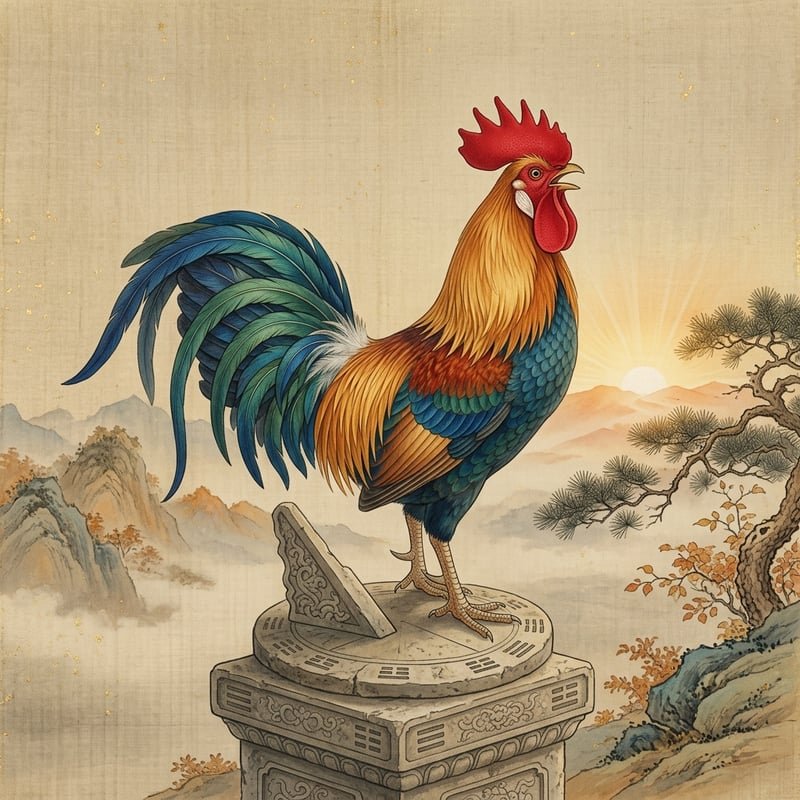
Yǒu Rooster 17:00 – 19:00 (You Hour) West (270°) Metal Yin
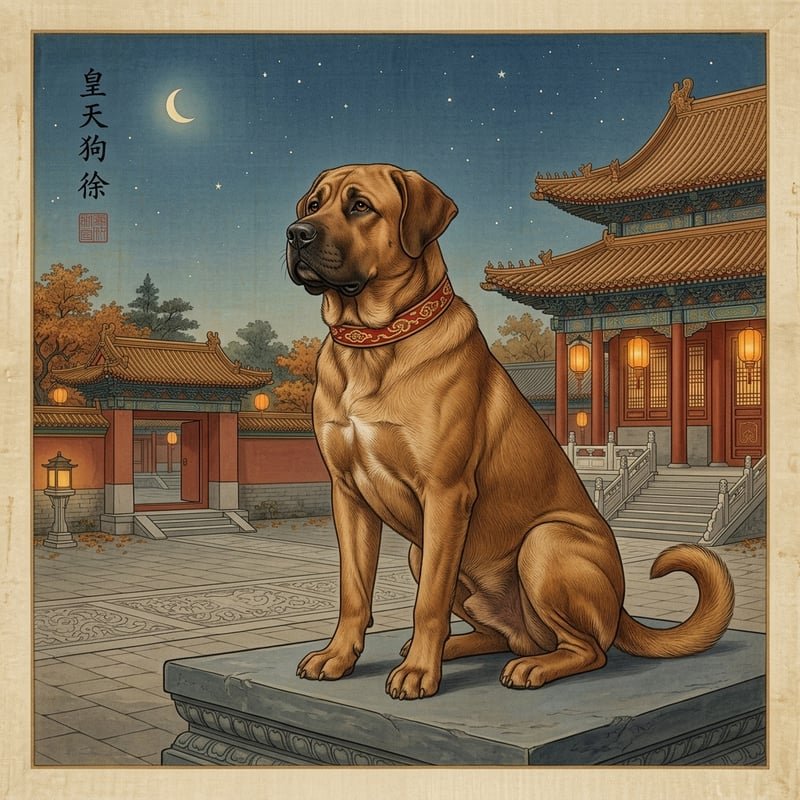
Dog 19:00 – 21:00 (Xu Hour) West-Northwest (300°) Earth Yang
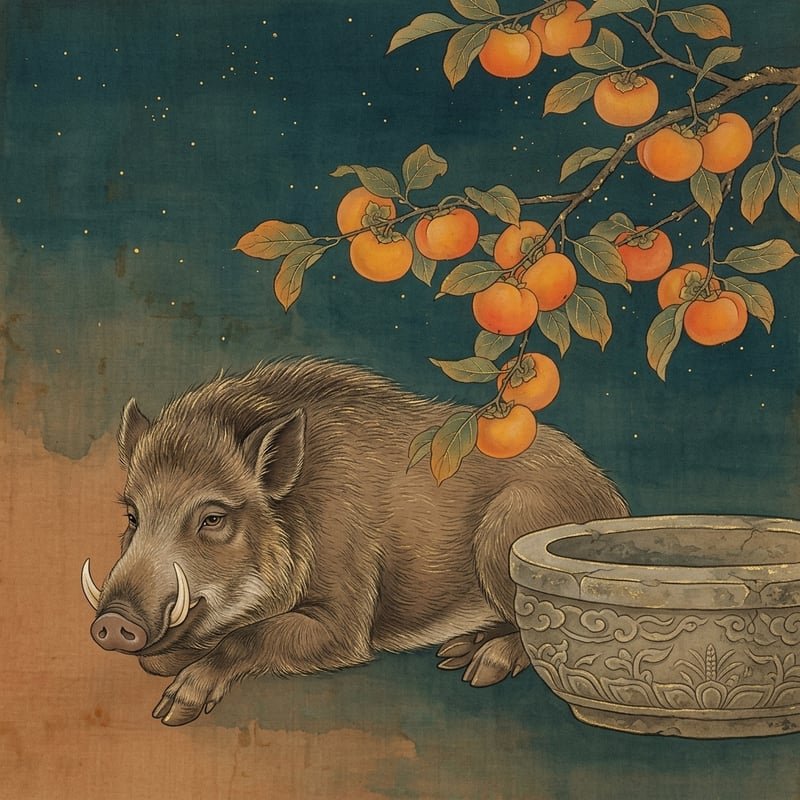
Hài Pig 21:00 – 23:00 (Hai Hour) North-Northwest (330°) Water Yin

10 Heavenly Stems (Tiangan) Reference

Character Pinyin Element Polarity
Jiǎ Wood Yang
Wood Yin
Bǐng Fire Yang
Dīng Fire Yin
Earth Yang
Earth Yin
Gēng Metal Yang
Xīn Metal Yin
Rén Water Yang
Guǐ Water Yin

Celestial Armillary & Sexagenary Calendar Stage

Chinese Lunisolar Sexagenary Visualizer. Active Year: 丙午 (Fire Horse). Modeled on Beijing Ancient Observatory bronze armillary.
Beijing Ancient Observatory Ming Dynasty Bronze Armillary Sphere Hun Tian Yi 1442 CE
✦ Archaeological & Celestial Record ✦

Beijing Ancient Observatory Bronze Armillary Sphere (浑天仪 1442 CE)

Masterpiece Ming Dynasty cast-bronze celestial instrument with coiled dragon support pillars, coordinating the 12 Earthly Branches and 28 lunar mansions across interlocking coordinate rings.

Beijing Ancient Observatory (Peking Observatory, Ming Dynasty 1442 CE) / Cultural Heritage Preservation

Tier B: Documented Historical Material
Dunhuang Star Atlas Tang Dynasty Manuscript Scroll British Library Or.8210/S.3326
✦ Archaeological & Celestial Record ✦

The Dunhuang Star Atlas (c. 700 CE)

The world's earliest complete manuscript star atlas, mapping 1,339 stars into 257 asterisms across the 28 lunar mansions on mulberry paper.

British Library, London (Stein Collection Or.8210/S.3326, Tang Dynasty) / Public Domain

Tier B: Documented Historical Material

✦ ✦ 12 Sacred Animal Archetypes (1900–2100 CE)

Select any animal archetype to explore its personality traits, fixed element, and trine dynamics.

ARCHAEOLOGICAL EVIDENCE & HISTORICAL HOROLOGY

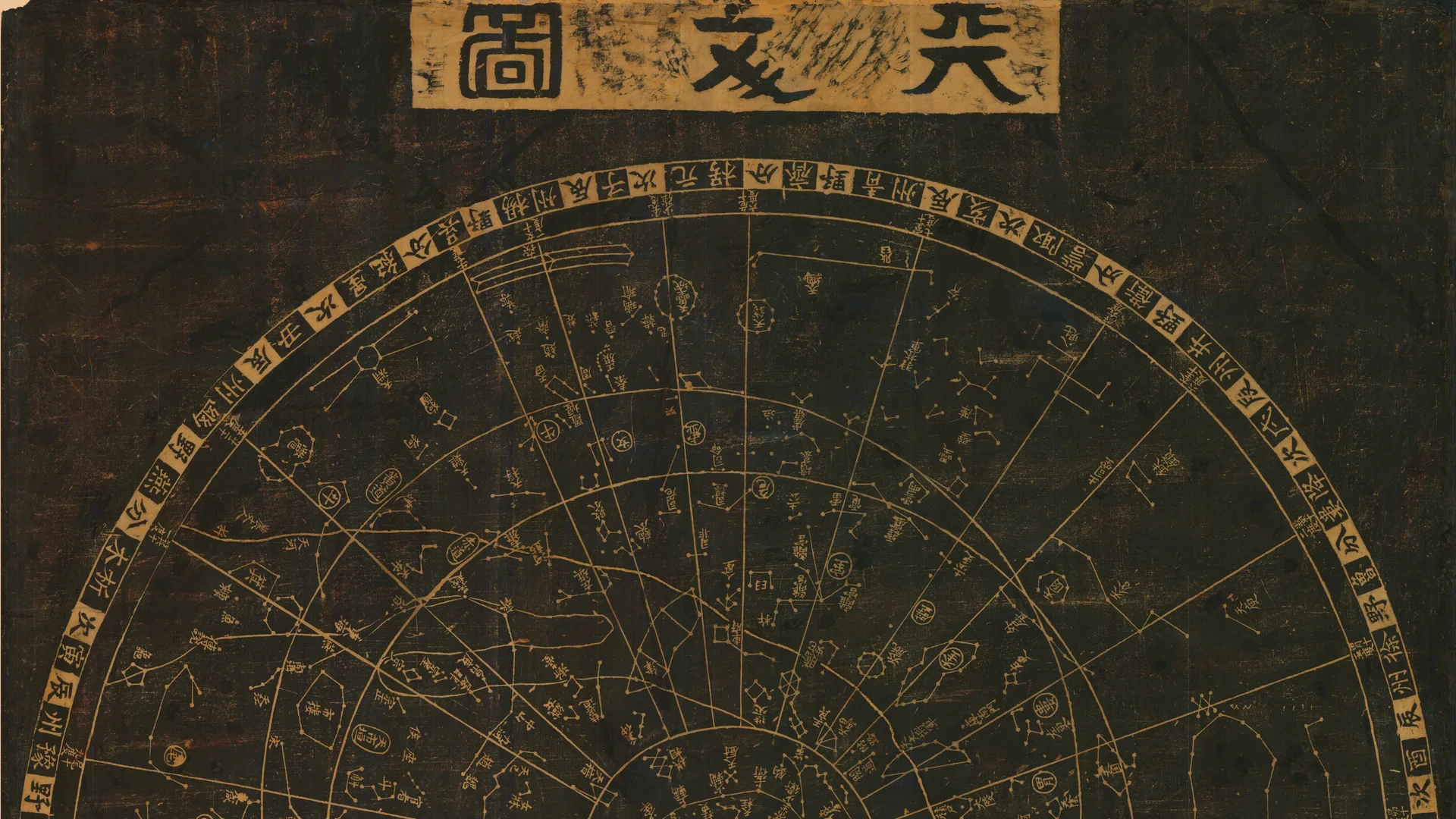
Chinese Archaeoastronomy & Epigraphic Dossier

Seven primary excavated epigraphic monuments, monumental stone planispheres, and ancient imperial observatories chronicling 3,200 years of unbroken lunisolar timekeeping.

Shang dynasty carved ox scapula Ganzhi table discovered at Yinxu Anyang
Monument 01 / 07 National Museum of China, Beijing

Yinxu Carved Ox Scapula Sexagenary Table (甲骨干支表)

Historical Period & Dating
Shang Dynasty (c. 1200 BCE, King Wu Ding Reign)
Current Repository / Discovery Site
National Museum of China, Beijing / Yinxu Archaeological Site

Archaeoastronomical Significance

Provides documented primary archaeological evidence that the 60-element Ganzhi sequence has been recorded since the late Shang dynasty.

Lacquered chest of Marquis Yi of Zeng painted with 28 Lunar Mansions and Big Dipper
Monument 02 / 07 Hubei Provincial Museum, Wuhan, Hubei

Marquis Yi of Zeng 28 Lunar Mansions Lacquer Chest (曾侯乙漆箱)

Historical Period & Dating
Early Warring States Period (433 BCE)
Current Repository / Discovery Site
Hubei Provincial Museum, Wuhan, Hubei

Archaeoastronomical Significance

The world’s earliest physical archaeological inscription proving the Chinese 28 lunar mansions system was fully codified by the 5th century BCE.

Dunhuang manuscript star chart showing circumpolar constellations on mulberry paper
Monument 03 / 07 British Library, London (Stein Collection Or.8210

Dunhuang Tang Dynasty Manuscript Star Atlas (敦煌星图)

Historical Period & Dating
Tang Dynasty (c. 700 CE)
Current Repository / Discovery Site
British Library, London (Stein Collection Or.8210/S.3326)

Archaeoastronomical Significance

Documents the ancient Chinese division of the sky into 3 Enclosures (San Yuan) and 28 Lunar Mansions (Ershiba Xiu).

Woodblock illustration of Su Song water-powered astronomical clock tower escapement
Monument 04 / 07 Documented in Xinyi Xiangfa (新仪象法要, National Library of China)

Su Song Water-Powered Astronomical Clock Tower (水运仪象台)

Historical Period & Dating
Song Dynasty (1092 CE, Kaifeng)
Current Repository / Discovery Site
Documented in Xinyi Xiangfa (新仪象法要, National Library of China)

Archaeoastronomical Significance

Peak achievement of medieval mechanical timekeeping, synchronizing double-hours (Shichen) with celestial coordinate motion.

Monumental stone rubbings of the Suzhou astronomical planisphere stele
Monument 05 / 07 Suzhou Inscription Museum, Jiangsu

Suzhou Astronomical Planisphere Stele (苏州石刻天文图)

Historical Period & Dating
Southern Song Dynasty (1247 CE Engraved, 1193 CE Chart)
Current Repository / Discovery Site
Suzhou Inscription Museum, Jiangsu / UNESCO Memory of the World

Archaeoastronomical Significance

World-renowned astronomical artifact illustrating the exact coordinate geometry and equatorial projection used by Song imperial astronomers.

Astronomical gnomon observatory platform at Gaocheng Dengfeng Henan
Monument 06 / 07 Dengfeng, Henan

Gaocheng Astronomical Observatory & Great Gnomon (登封告成观星台)

Historical Period & Dating
Yuan Dynasty (1279 CE, Designed by Guo Shoujing)
Current Repository / Discovery Site
Dengfeng, Henan / UNESCO World Heritage Historic Monuments of Dengfeng

Archaeoastronomical Significance

Physical architectural monument of the Shoushi Calendar (1281 CE), matching the Gregorian calendar’s length 300 years before European adoption.

Cast bronze armillary sphere at Beijing Ancient Observatory with dragon supports
Monument 07 / 07 Beijing Ancient Observatory (北京古观象台), Jianguomen, Beijing

Beijing Ancient Observatory Bronze Armillary Sphere (浑天仪)

Historical Period & Dating
Ming Dynasty (1442 CE Cast)
Current Repository / Discovery Site
Beijing Ancient Observatory (北京古观象台), Jianguomen, Beijing

Archaeoastronomical Significance

Archetype for Chinese armillary instrument geometry that coordinated terrestrial azimuths with celestial declinations.