
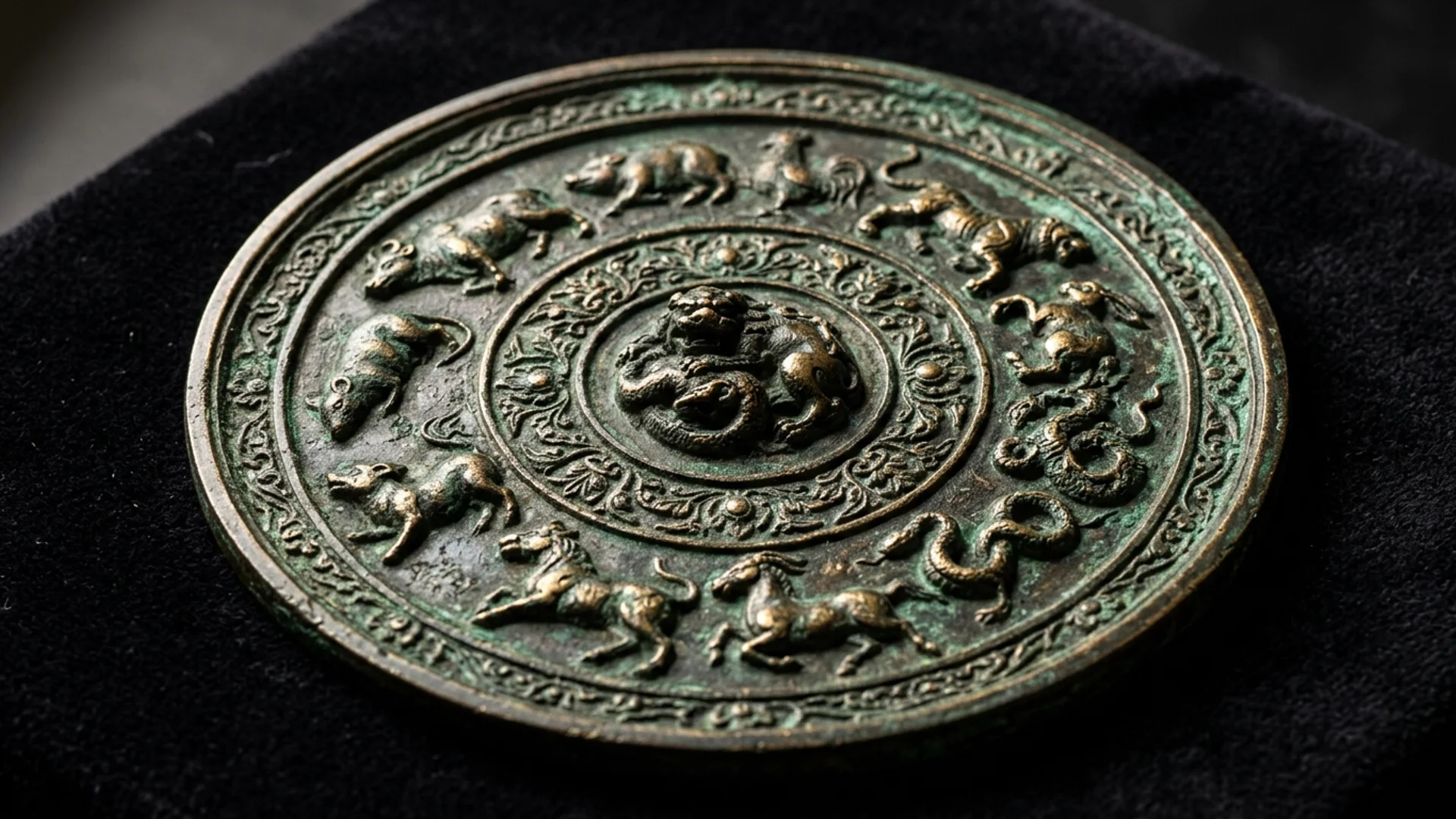

Year of the Monkey
猴 (Hóu) · Earthly Branch: 申 (Shēn)
The Monkey represents the zenith of inventive genius, playful curiosity, multifaceted dexterity, and lightning wit. Immortalized by Sun Wukong (the Monkey King) in Journey to the W...
✦ Essential Shengxiao Profile
Shēn) ✦ Overview & Cultural Archetype
The Monkey represents the zenith of inventive genius, playful curiosity, multifaceted dexterity, and lightning wit. Immortalized by Sun Wukong (the Monkey King) in Journey to the West, the Monkey navigates complex dilemmas with cheerful irreverence, clever strategy, and boundary-pushing intellect.
✦ Core Strengths & Gifts
- Unrivaled problem-solving agility and creative lateral thinking
- Sparkling conversational wit, humor, and magnetic stage presence
- Rapid absorption of new languages, systems, and technical concepts
- Incurable curiosity that constantly seeks fresh intellectual frontiers
- Undaunted optimism that treats obstacles as fascinating puzzles
✦ Growth Edges & Shadows
- Restlessness that risks abandoning long projects before completion
- Prone to teasing or mischief that may inadvertently hurt sensitive feelings
- Tendency to rely on clever shortcuts rather than methodical follow-through
✦ The Five Elemental Manifestations
Over the 60-year sexagenary cycle (Ganzhi), this sign rotates through each of the Five Elements (Wuxing):
Wood Monkey
1944, 2004Inventive pioneer, forward-looking problem solver with expansive curiosity.
Fire Monkey
1956, 2016Dynamic, competitive, charismatic showrunner with electric vitality.
Earth Monkey
1968, 2028Pragmatic innovator, steady analyst with brilliant organizational skill.
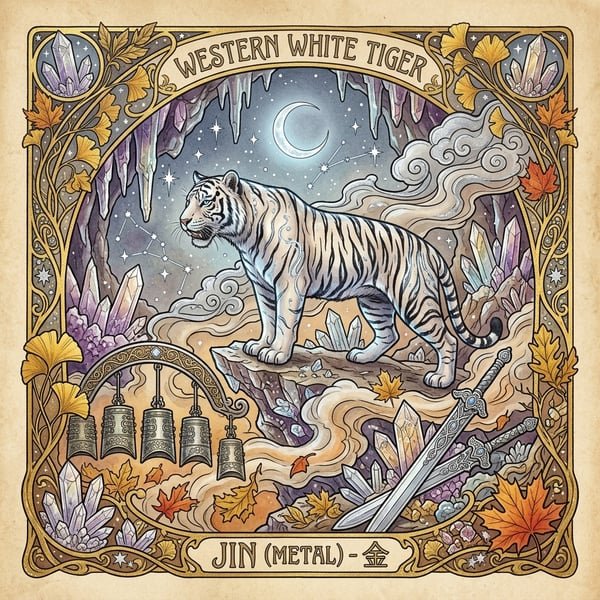
Metal Monkey
1920, 1980Sharp intellect, formidable willpower, independent, and fiercely ambitious.
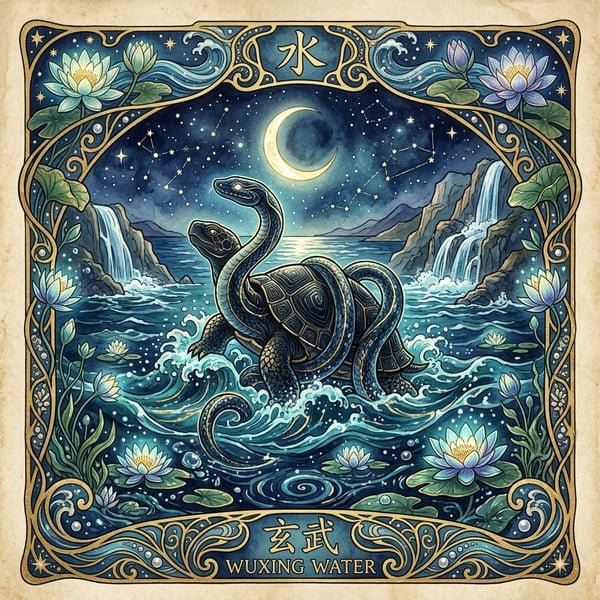
Water Monkey
1932, 1992Psychologically acute, persuasive diplomat with fluid tactical brilliance.
✦ Affinity Trine & Compatibility Dynamics
1st Affinity Trine: The Visionaries & Innovators (Rat, Dragon, Monkey)
In Chinese lunisolar astrology, the 12 signs are arranged into Four Affinity Trines (सान-हे — 三合) spaced 120° apart. Members of the same trine share an instinctual bond, complementary modes of communication, and natural creative resonance.


Beijing Ancient Observatory Bronze Armillary Sphere (浑天仪 1442 CE)
The historical astronomical instrument coordinating the 12 Earthly Branches and 28 Lunar Mansions across the equatorial coordinate ring.
Beijing Ancient Observatory (Peking Observatory, Ming Dynasty 1442 CE) / Cultural Heritage Preservation
Career & Vocation
Dominates in software engineering, finance, speculative innovation, comedy, patent invention, tactical negotiation, and media production.
Love & Relationships
Playful, exciting, and intellectually stimulating. Monkeys thrive with partners who can match their quick banter and celebrate their spontaneous joie de vivre.
Overview & Cultural Significance
Holding the ninth place in the Shengxiao sequence, the Monkey is the supreme master of quicksilver wit, inventive genius, boundless curiosity, and playful defiance. Immortalized in classical Chinese literature through Sun Wukong, the Monkey King of Journey to the West, the Monkey symbolizes human ingenuity outsmarting celestial bureaucracy through sheer audacity and cleverness. Associated with the Shen Hour of late afternoon (15:00–17:00) and the crisp onset of early autumn (the 7th Lunar Month), the Monkey represents sharp, incisive mental agility and the capacity to solve seemingly insurmountable enigmas with playful mastery.
Core Personality Traits & Archetype
Individuals born in the Year of the Monkey are renowned for their brilliant intellect, rapid learning curve, and charismatic problem-solving talents. They are natural innovators who see unconventional angles where others see dead ends.
- Inventive Genius: Exceptional technical dexterity, mechanical aptitude, and original out-of-the-box thinking.
- Quicksilver Wit: Brilliant conversationalist with razor-sharp humor, captivating storytelling, and rapid repartee.
- Resourceful Adaptability: Flawless resilience when adapting to new technologies, environments, and crises.
- Curious Intellect: Insatiable hunger for knowledge, experimental learning, and deconstructing complex puzzles.
- Playful Optimism: Irrepressible joie de vivre that transforms grim obstacles into exciting games.
Fixed Element & Yin/Yang Polarity
The Monkey’s intrinsic Fixed Element is Metal (Jīn), expressing through the bold Yang polarity. Yang Metal is the forged sword, the precision blade, or the structural iron beam—incisive, sharp, unyielding, and capable of cutting through confusion with flawless precision. Furthermore, the Monkey’s earthly branch (Shen) is the birth chamber of Water (Shuǐ Chángshēng), granting it deep intuitive fluidity beneath its sharp intellectual edge. This fusion of Yang Metal sharpness and embryonic Water intuition creates an unstoppable mastermind.
Four Affinity Trines & Compatibility Dynamics
The Monkey is the technical wizard of the 1st Affinity Trine (The Visionaries & Innovators), harmonizing with the Rat and Dragon. This powerhouse trinity dominates through speed, ambition, and groundbreaking execution. The Monkey invents the innovative mechanisms and solves operational bottlenecks, the Rat designs the financial timing and resource strategy, and the Dragon provides the grand visionary authority. In addition, the Monkey enjoys a sacred “Six Harmonies” (Liu He) bond with the Snake, forming an elite partnership where the Monkey’s agile wit perfectly complements the Snake’s deep philosophical strategy.
Challenging Pairings & Six Clashes
The primary opposing clash (Liu Chong) for the Monkey is the Tiger. This 180° opposition represents the clash between Yang Metal’s sharp, irreverent pragmatism (Monkey) and Yang Wood’s majestic, authoritative idealism (Tiger). The Monkey may view the Tiger as overly solemn, rigid, or domineering, while the Tiger may consider the Monkey frivolous, disrespectful, or opportunistic. True harmony is unlocked when the Monkey respects the Tiger’s noble vision and the Tiger learns to enjoy the Monkey’s playful ingenuity.
Recent & Upcoming Lunar Years
- 1932: Water Monkey (Feb 6, 1932 – Jan 25, 1933)
- 1944: Wood Monkey (Jan 25, 1944 – Feb 12, 1945)
- 1956: Fire Monkey (Feb 12, 1956 – Jan 30, 1957)
- 1968: Earth Monkey (Jan 30, 1968 – Feb 16, 1969)
- 1980: Metal Monkey (Feb 16, 1980 – Feb 4, 1981)
- 1992: Water Monkey (Feb 4, 1992 – Jan 22, 1993)
- 2004: Wood Monkey (Jan 22, 2004 – Feb 8, 2005)
- 2016: Fire Monkey (Feb 8, 2016 – Jan 27, 2017)
- 2028: Earth Monkey (Jan 26, 2028 – Feb 12, 2029)
- 2040: Metal Monkey (Feb 12, 2040 – Jan 31, 2041)
Monkey (申 · Shēn) Epigraphic & Astrometric Register
Comprehensive scholarly concordance documenting Shang oracle bone glyph evolution, Han dynasty astronomical coordinates, 28 Lunar Mansions, and classical harmony dynamics.
Shang Epigraphy & Classical Philology
- Branch Logogram & Pinyin
- 申
Shēn - Shang Oracle Bone Philological Note
- Archaic oracle-bone graph portrays a zigzag flash of lightning across heaven (申), symbolizing celestial extension and expanding divine insight.
- Shuowen Jiezi (121 CE) Lexicographic Gloss
- « 申,神也。七月,阴气成,体自申束。(Shen means spirit/extend; in the 7th month Yin solidifies and bodies tighten.) »
- Excavation Horizon
- Yinxu Pit YH127 bovine scapulae & turtle plastrons (c. 1200 BCE, Anyang, Henan)
Han Astrometry & Spatial Coordinates
- Shichen Double-Hour
-
15:00 – 17:00 (Late Afternoon)15:00 – 17:00 - Geodetic Azimuth & Direction
-
West-Southwest (240°)240° - Celestial Sky Quadrant
- Western White Tiger (Baihu)
- Governing Lunar Mansions (Xiu)
- Mansions 20–21: Zui (Turtle Beak) & Shen (Three Stars)
Classical Harmonies & Dialectical Clashes
- Fixed Elemental Qi
- Six Harmonies Secret Friend (Liu He)
- ●
Snake (Si) → Water Element synthesis - Six Clashes Direct Opposition (Liu Chong)
- ●
Tiger (Yin) — 180° Direct Polar Opposition - Three Harmonies Affinity Trine (San He)
- ●
First Trine (Monkey · Rat · Dragon) — Water Element Synthesis
1-Click Citation Export
Standard formatted academic citations for research publications, peer-reviewed bibliographies, and scholarly reference.
5-Tier Epistemological Truth Standard
Explore the primary artifacts, peer-reviewed monographs, astronomical ephemerides, and living tradition ethnography behind this page.
Calculated Astronomical Fact
Astronomical Lunar New Year (ChunJie) and Solar Term (Lichun) boundaries calculated from dynamical solar/lunar ephemerides matching Purple Mountain Observatory national standards (GB/T 33661-2017).
Primary Historical Evidence
- Yinxu Shang Dynasty Oracle Bone Ganzhi day-count tables (c. 1200 BCE)
- Dunhuang Manuscript Star Atlas (BL Or.8210/S.3326, c. 700 CE)
- Su Song Xinyi Xiangfa astronomical water clock tower treatise (1092 CE)
Scholarly Academic Interpretation
Needham & Wang (1959) Science and Civilisation in China (Vol. 3) and Han dynasty cosmological synthesis (Huainanzi Tianwenxun).
Living Cultural and Calendrical Tradition
Active Living Tradition: Maintained through continuous communal cultural lineage and living practice.Continuous living cultural tradition practiced globally across the Spring Festival (Chunjie), 24 solar terms (Jieqi), and the sexagenary lunisolar cycle.
Modern OmniZodiac Interpretation
Twelve animal personality archetypes, Five Elements (Wuxing) interactions, and Four Trines compatibility reflection.
Chinese Lunisolar Zodiac & Ganzhi
Expand your exploration across the 60 Sexagenary Ganzhi cycles, Five Elements, and animal branches.

Calculate Your Four Pillars (BaZi)
Determine your natal Year, Month, Day, and Hour pillars along with Wuxing balance.

Authoritative Historical Reference & Epigraphic Commentary
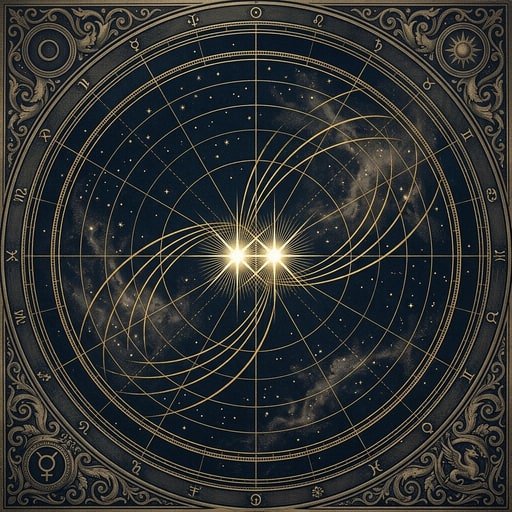
The twelve Earthly Branches (Dizhi) originated during the 2nd millennium BCE as geodetic and celestial hour markers long before they were allegorized with the twelve zoomorphic symbols during the Eastern Han (c. 1st century CE, recorded by Wang Chong in Lunheng). In ancient imperial astrometry, each branch represents an immutable 30° azimuth on the terrestrial horizon, directly coupled with a Shichen double-hour of the diurnal cycle and linked to the circumpolar orientation of the Northern Dipper (Beidou).