
Year of the Pig
猪 (Zhū) · Earthly Branch: 亥 (Hài)
The Pig completes the 12-animal cycle, epitomizing noble generosity, joyful abundance, genuine sincerity, and uncorrupted goodwill. In Chinese cosmology, the Pig is the auspicious ...
Essential Shengxiao Profile
Hài) Overview & Cultural Archetype
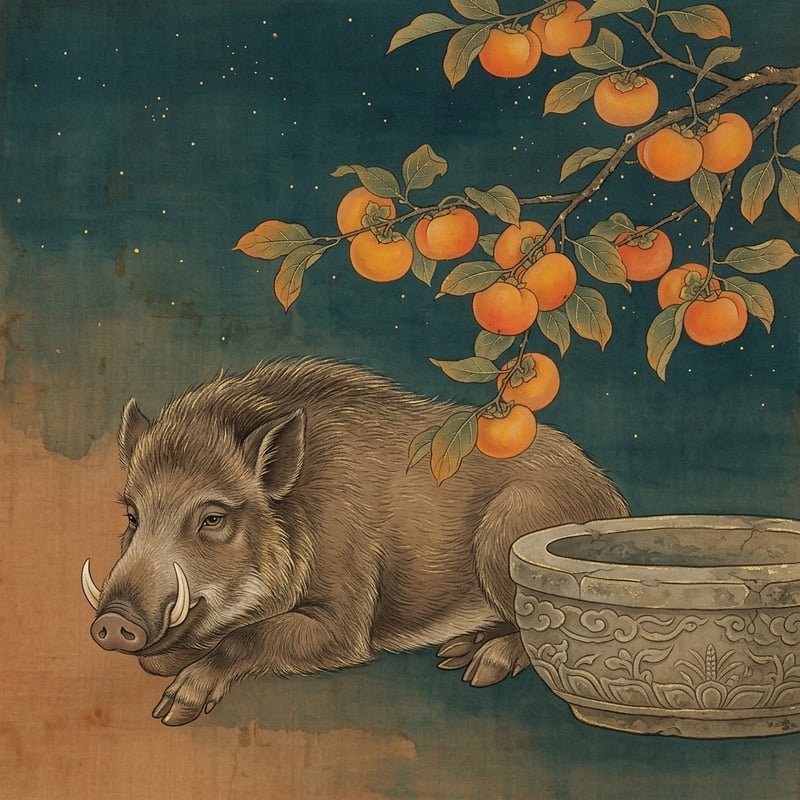
The Pig completes the 12-animal cycle, epitomizing noble generosity, joyful abundance, genuine sincerity, and uncorrupted goodwill. In Chinese cosmology, the Pig is the auspicious harbinger of wealth, peaceful fellowship, and the generous harvest that crowns a fulfilled cycle.
Core Strengths & Gifts
- Pure-hearted sincerity, warmth, and abundant generosity
- Profound capacity for joy, convivial fellowship, and celebration
- Quiet resilience and peaceful fortitude when navigating adversity
- Generous hospitality and deep loyalty to lifelong companions
- Appreciation for good food, comforting art, and honest living
Growth Edges & Shadows
- Over-generosity that risks being exploited by unscrupulous acquaintances
- Reluctance to say no when requested for unreasonable favors
- Occasional tendency toward indulgence or procrastination in comfort
The Five Elemental Manifestations
Over the 60-year sexagenary cycle (Ganzhi), this sign rotates through each of the Five Elements (Wuxing):
Wood Pig
1935, 1995Warm-hearted, generous philanthropist, open-minded friend to all.
Fire Pig
1947, 2007Energetic, bold, adventurous, passionately dedicated leader.
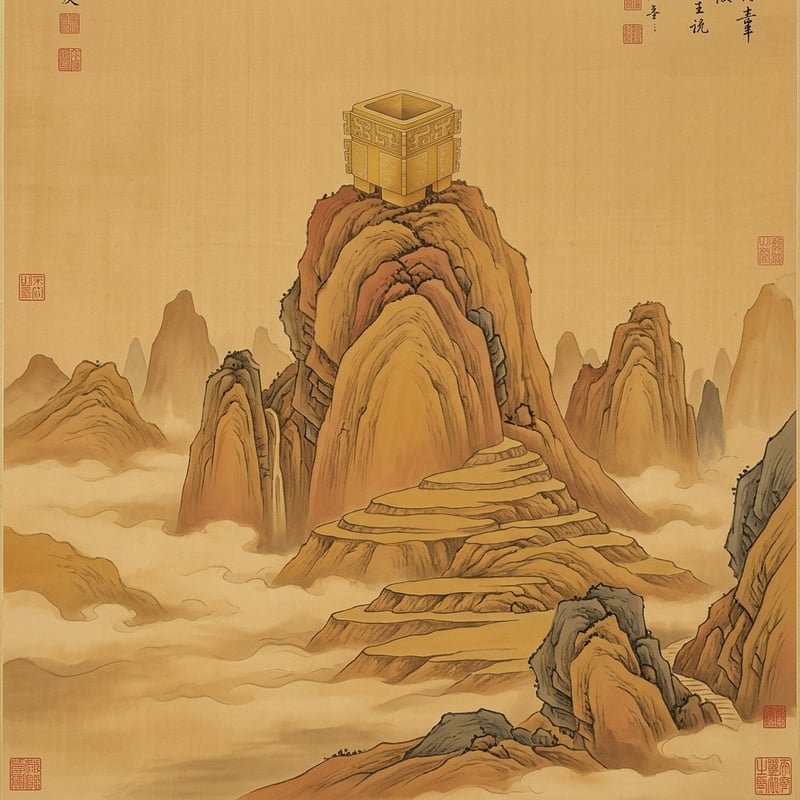
Earth Pig
1959, 2019Methodical, dependable, peaceful financial steward and loving host.
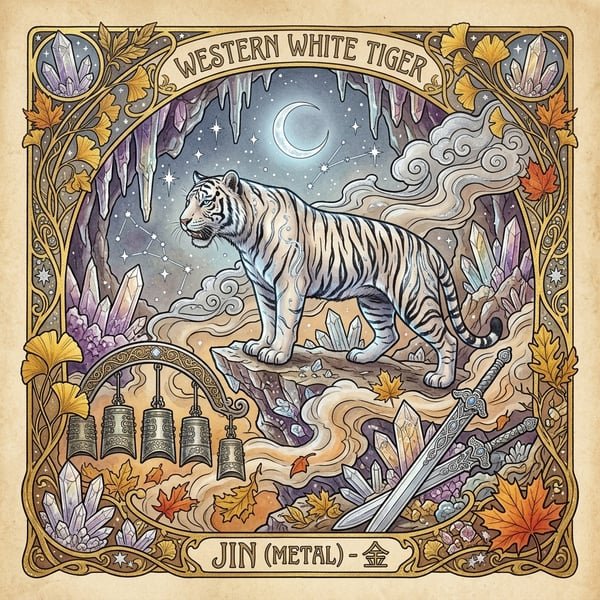
Metal Pig
1971, 2031Resolute, principled, loyal protector with strong willpower.
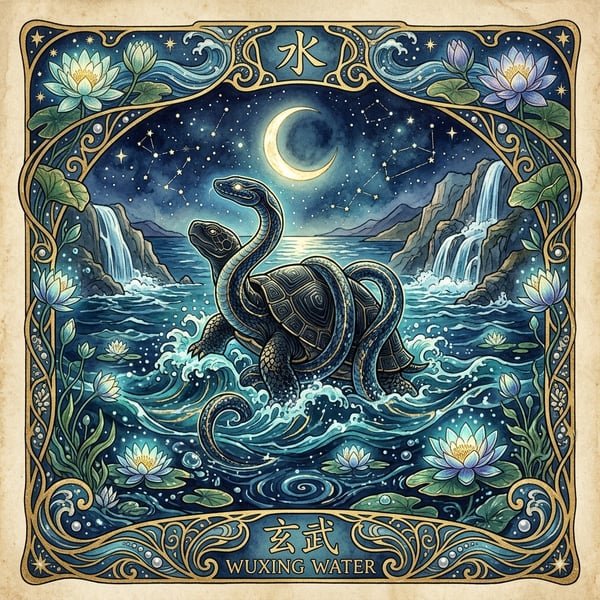
Water Pig
1923, 1983Gentle, intuitive, empathetic diplomat with fluid emotional depth.
Affinity Trine & Compatibility Dynamics
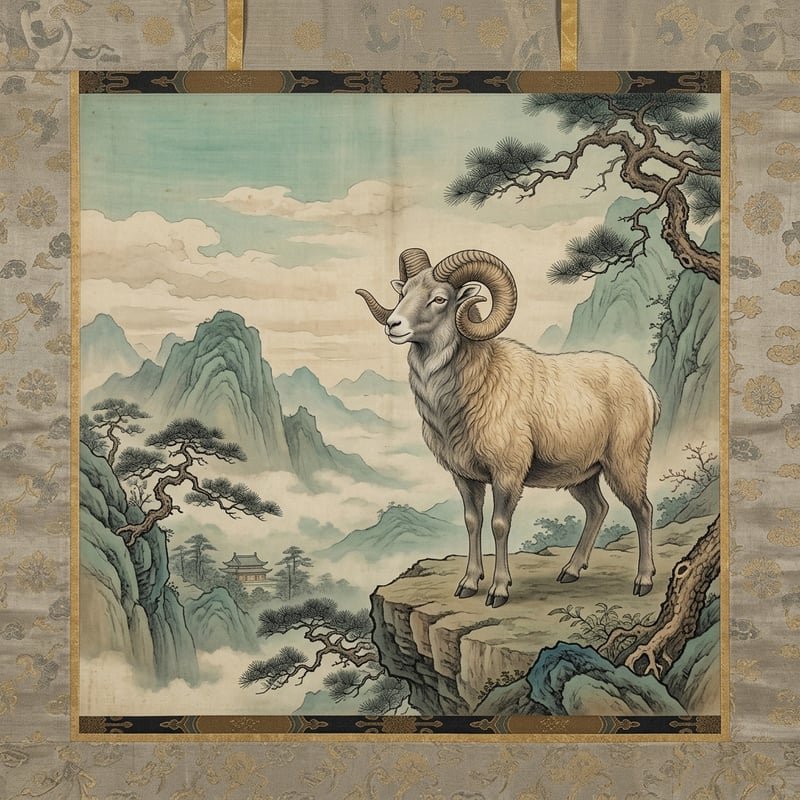
4th Affinity Trine: The Peacemakers & Artists (Rabbit, Goat, Pig)
In Chinese lunisolar astrology, the 12 signs are arranged into Four Affinity Trines (सान-हे — 三合) spaced 120° apart. Members of the same trine share an instinctual bond, complementary modes of communication, and natural creative resonance.



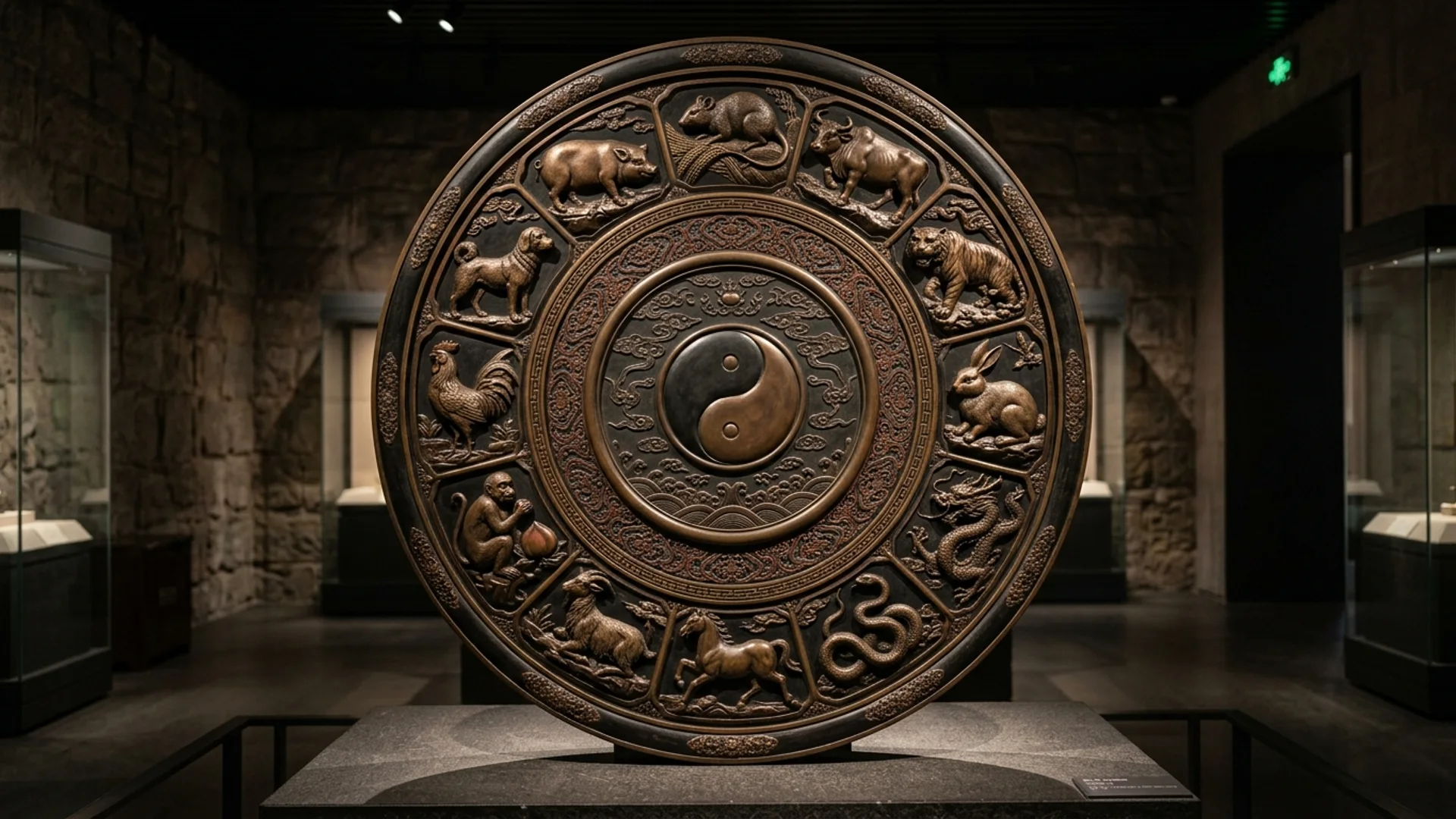
Beijing Ancient Observatory Bronze Armillary Sphere (浑天仪 1442 CE)
The historical astronomical instrument coordinating the 12 Earthly Branches and 28 Lunar Mansions across the equatorial coordinate ring.
Beijing Ancient Observatory (Peking Observatory, Ming Dynasty 1442 CE) / Cultural Heritage Preservation
Career & Vocation
Dominates in gastronomy, hospitality, philanthropic foundations, veterinary medicine, fine art appraisal, and community welfare.
Love & Relationships
Affectionate, trusting, and wholeheartedly devoted. Pigs create a warm, secure, and joy-filled sanctuary for their cherished companions.
Overview & Cultural Significance
Completing the twelve-year Shengxiao cycle with joyful abundance, the Pig (also celebrated as the Boar) is the auspicious emblem of generosity, genuine benevolence, material prosperity, and peaceful contentment. In traditional Chinese home life, the very character for “Home” or “Family” (Jiā — 家) depicts a Pig (豕) sheltered beneath a roof (宀), highlighting the Pig’s ancient role as the foundation of household abundance and domestic peace. Associated with the Hai Hour of night (21:00–23:00) and the onset of winter (the 10th Lunar Month), the Pig gathers the fruits of the harvest, providing nourishment and warmth before the cycle turns anew.
Core Personality Traits & Archetype
Individuals born in the Year of the Pig are distinguished by their boundless generosity, unpretentious warmth, and genuine love of peace. They possess a generous spirit that brings comfort and joy to everyone they meet.
- Magnanimous Generosity: Open-hearted hospitality and readiness to share resources, time, and affection freely.
- Unshakable Honesty: Sincere, straightforward nature that refuses to participate in petty deceit or manipulation.
- Harmonious Peace: Natural peacemaker who diffuses interpersonal drama with cheerful warmth and good humor.
- Sensory Appreciation: Refined enjoyment of culinary arts, comfortable living spaces, and life’s rich pleasures.
- Quiet Diligence: Persistent, steady work ethic that completes complex projects without boasting or complaining.
Fixed Element & Yin/Yang Polarity
The Pig’s intrinsic Fixed Element is Water (Shuǐ), operating through the gentle, receptive Yin polarity. Yin Water is the tranquil lake, the morning mist, or the deep ocean depths—receptive, peaceful, deeply intuitive, and profoundly nourishing. Furthermore, the Pig’s earthly branch (Hai) is the birth chamber of Wood (Mù Chángshēng), giving the Pig an innate capacity for creative growth, artistic imagination, and optimism beneath its calm exterior.
Four Affinity Trines & Compatibility Dynamics
The Pig is the generous foundation of the 4th Affinity Trine (The Diplomats & Artists), joined in deep empathy with the Rabbit and Goat (Sheep). This trinity is celebrated for its shared dedication to artistic beauty, emotional peace, and kindness. The Pig provides warm hospitality and material grounding, the Rabbit supplies intellectual discernment and diplomatic tact, and the Goat brings poetic inspiration and tender empathy. In addition, the Pig enjoys a sacred “Six Harmonies” (Liu He) connection with the Tiger, finding deep security and protection in the Tiger’s bold strength while offering soothing calm to the Tiger’s restless spirit.
Challenging Pairings & Six Clashes
The primary opposing clash (Liu Chong) for the Pig is the Snake. This 180° opposition reflects the friction between Yin Water’s open, trusting, sensual innocence (Pig) and Yin Fire’s guarded, analytical discernment (Snake). The Pig may feel judged by the Snake’s secretiveness or aloofness, while the Snake may perceive the Pig as overly trusting or indulgent. Conscious growth occurs when the Pig cultivates discerning boundaries and the Snake learns to embrace unconditional warmth and emotional trust.
Recent & Upcoming Lunar Years
- 1935: Wood Pig (Feb 4, 1935 – Jan 23, 1936)
- 1947: Fire Pig (Jan 22, 1947 – Feb 9, 1948)
- 1959: Earth Pig (Feb 8, 1959 – Jan 27, 1960)
- 1971: Metal Pig (Jan 27, 1971 – Feb 14, 1972)
- 1983: Water Pig (Feb 13, 1983 – Feb 1, 1984)
- 1995: Wood Pig (Jan 31, 1995 – Feb 18, 1996)
- 2007: Fire Pig (Feb 18, 2007 – Feb 6, 2008)
- 2019: Earth Pig (Feb 5, 2019 – Jan 24, 2020)
- 2031: Metal Pig (Jan 23, 2031 – Feb 10, 2032)
- 2043: Water Pig (Feb 10, 2043 – Jan 29, 2044)
Pig (亥 · Hài) Epigraphic & Astrometric Register
Comprehensive scholarly concordance documenting Shang oracle bone glyph evolution, Han dynasty astronomical coordinates, 28 Lunar Mansions, and classical harmony dynamics.
Shang Epigraphy & Classical Philology
- Branch Logogram & Pinyin
- 亥
Hài - Shang Oracle Bone Philological Note
- Archaic oracle-bone graph depicts a pregnant sow or dormant seed (亥), embodying the nocturnal enclosure of cosmic seed essence awaiting regeneration.
- Shuowen Jiezi (121 CE) Lexicographic Gloss
- « 亥,荄也。十月,微阳起,接盛阴。(Hai means root/seed; in the 10th month subtle Yang stirs beneath total Yin.) »
- Excavation Horizon
- Yinxu Pit YH127 bovine scapulae & turtle plastrons (c. 1200 BCE, Anyang, Henan)
Han Astrometry & Spatial Coordinates
- Shichen Double-Hour
-
21:00 – 23:00 (Night)21:00 – 23:00 - Geodetic Azimuth & Direction
-
North-Northwest (330°)330° - Celestial Sky Quadrant
- Northern Black Tortoise (Xuanwu)
- Governing Lunar Mansions (Xiu)
- Mansions 13–14: Shi (Encampment) & Bi (Wall)
Classical Harmonies & Dialectical Clashes
- Fixed Elemental Qi
- Yin · Water
- Six Harmonies Secret Friend (Liu He)
- ●
Tiger (Yin) → Wood Element synthesis - Six Clashes Direct Opposition (Liu Chong)
- ●
Snake (Si) — 180° Direct Polar Opposition - Three Harmonies Affinity Trine (San He)
- ●
Fourth Trine (Pig · Rabbit · Goat) — Wood Element Synthesis
1-Click Citation Export
Standard formatted academic citations for research publications, peer-reviewed bibliographies, and scholarly reference.
5-Tier Epistemological Truth Standard
Explore the primary artifacts, peer-reviewed monographs, astronomical ephemerides, and living tradition ethnography behind this page.
Calculated Astronomical Fact
Astronomical Lunar New Year (ChunJie) and Solar Term (Lichun) boundaries calculated from dynamical solar/lunar ephemerides matching Purple Mountain Observatory national standards (GB/T 33661-2017).
Primary Historical Evidence
- Yinxu Shang Dynasty Oracle Bone Ganzhi day-count tables (c. 1200 BCE)
- Dunhuang Manuscript Star Atlas (BL Or.8210/S.3326, c. 700 CE)
- Su Song Xinyi Xiangfa astronomical water clock tower treatise (1092 CE)
Scholarly Academic Interpretation
Needham & Wang (1959) Science and Civilisation in China (Vol. 3) and Han dynasty cosmological synthesis (Huainanzi Tianwenxun).
Living Cultural and Calendrical Tradition
Active Living Tradition: Maintained through continuous communal cultural lineage and living practice.Continuous living cultural tradition practiced globally across the Spring Festival (Chunjie), 24 solar terms (Jieqi), and the sexagenary lunisolar cycle.
Modern OmniZodiac Interpretation
Twelve animal personality archetypes, Five Elements (Wuxing) interactions, and Four Trines compatibility reflection.
Chinese Lunisolar Zodiac & Ganzhi
Expand your exploration across the 60 Sexagenary Ganzhi cycles, Five Elements, and animal branches.

Calculate Your Four Pillars (BaZi)
Determine your natal Year, Month, Day, and Hour pillars along with Wuxing balance.

Authoritative Historical Reference & Epigraphic Commentary
The twelve Earthly Branches (Dizhi) originated during the 2nd millennium BCE as geodetic and celestial hour markers long before they were allegorized with the twelve zoomorphic symbols during the Eastern Han (c. 1st century CE, recorded by Wang Chong in Lunheng). In ancient imperial astrometry, each branch represents an immutable 30° azimuth on the terrestrial horizon, directly coupled with a Shichen double-hour of the diurnal cycle and linked to the circumpolar orientation of the Northern Dipper (Beidou).