


Year of the Dragon
龙 (Lóng) · Earthly Branch: 辰 (Chén)
The Dragon is the sole mythical beast of the Shengxiao, symbolizing supreme cosmic power, noble aspiration, auspicious fortune, and transformative vision. Master of rain and sky, t...
Essential Shengxiao Profile
Chén) Overview & Cultural Archetype
The Dragon is the sole mythical beast of the Shengxiao, symbolizing supreme cosmic power, noble aspiration, auspicious fortune, and transformative vision. Master of rain and sky, the Dragon represents the yang celestial force that bridges terrestrial effort and cosmic abundance.
Core Strengths & Gifts
- Majestic charisma and natural capacity to mobilize large endeavors
- Boundless creative ambition and unyielding self-confidence
- Generous magnanimity that inspires colleagues and communities
- Fearless appetite for monumental undertakings
- Sharp instinctive clarity when assessing future trajectories
Growth Edges & Shadows
- Impatience with minor bureaucratic delays or slower-paced peers
- Can project an intimidating or overly demanding aura without intent
- Vulnerability to dramatic disillusionment if lofty ideals are compromised
The Five Elemental Manifestations
Over the 60-year sexagenary cycle (Ganzhi), this sign rotates through each of the Five Elements (Wuxing):
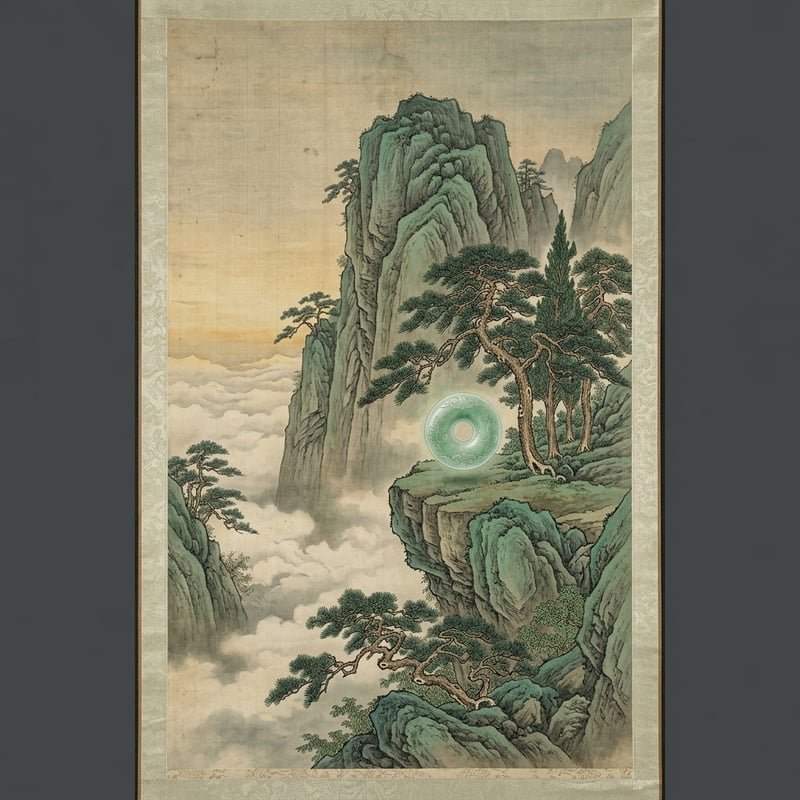
Wood Dragon
1964, 2024Innovative, visionary builder, philanthropic reformer with balanced foresight.
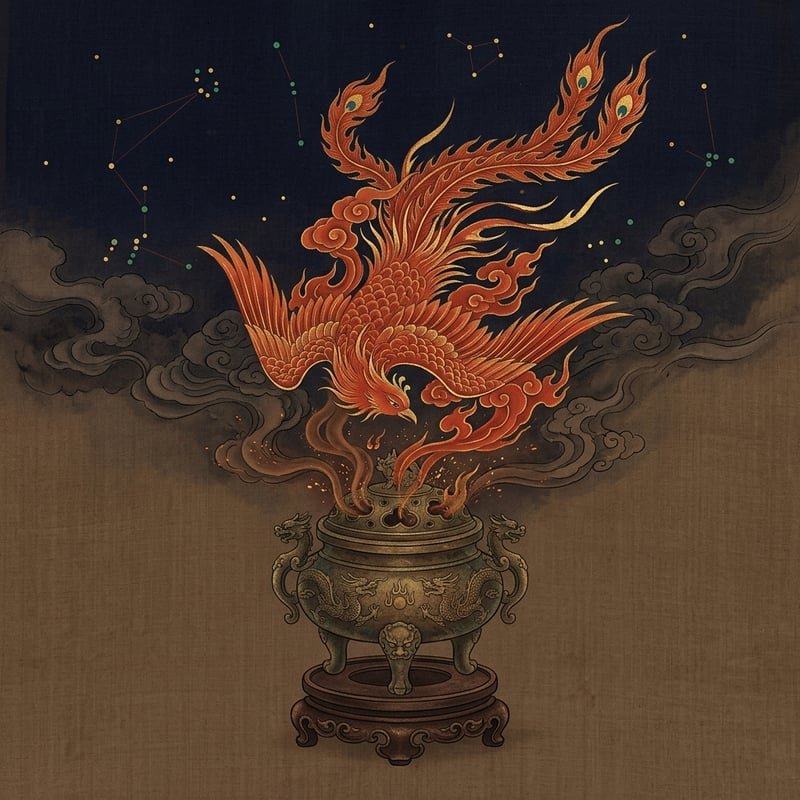
Fire Dragon
1916, 1976Intensely magnetic, commanding trailblazer with unstoppable momentum.
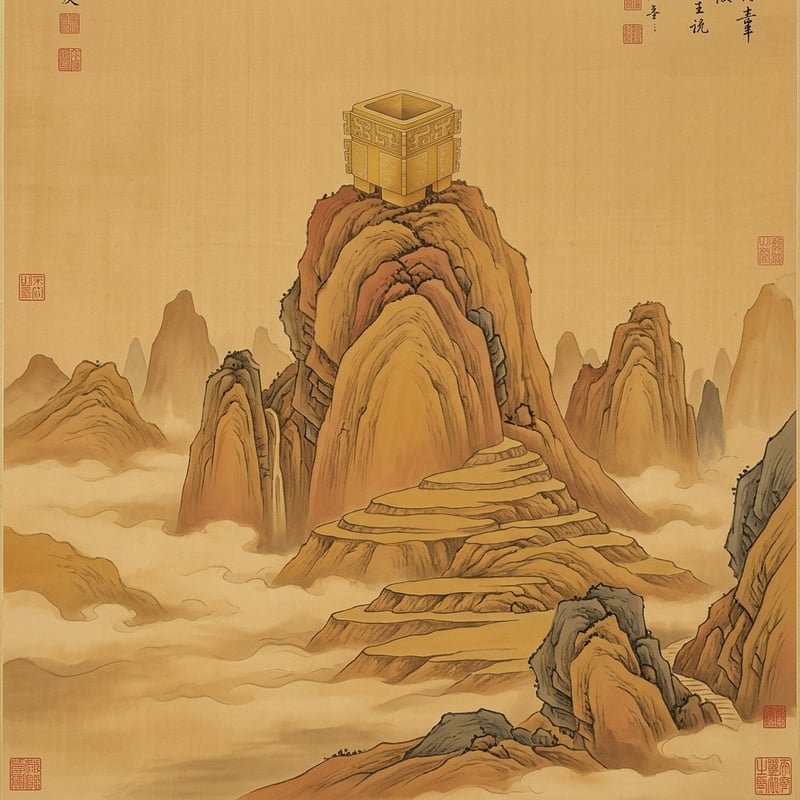
Earth Dragon
1928, 1988Grounded titan, steady executive with massive organizing capacity.
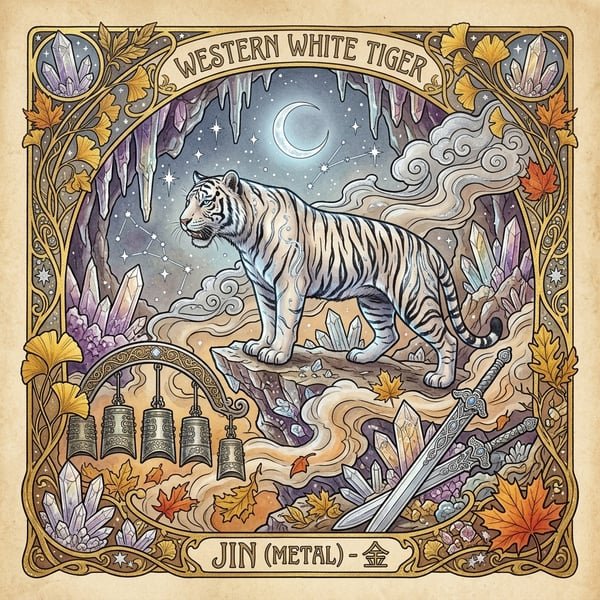
Metal Dragon
1940, 2000Indomitable willpower, uncompromising standards, and laser-sharp conviction.
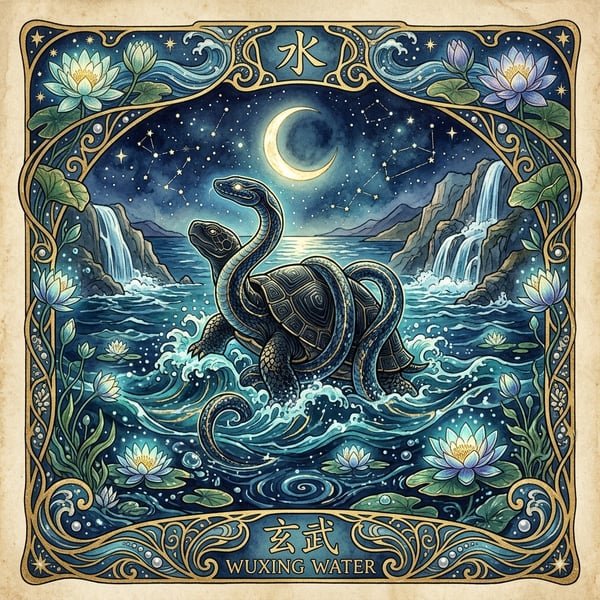
Water Dragon
1952, 2012Expansive philosopher, adaptable strategist with profound emotional intelligence.
Affinity Trine & Compatibility Dynamics
1st Affinity Trine: The Visionaries & Innovators (Rat, Dragon, Monkey)
In Chinese lunisolar astrology, the 12 signs are arranged into Four Affinity Trines (सान-हे — 三合) spaced 120° apart. Members of the same trine share an instinctual bond, complementary modes of communication, and natural creative resonance.


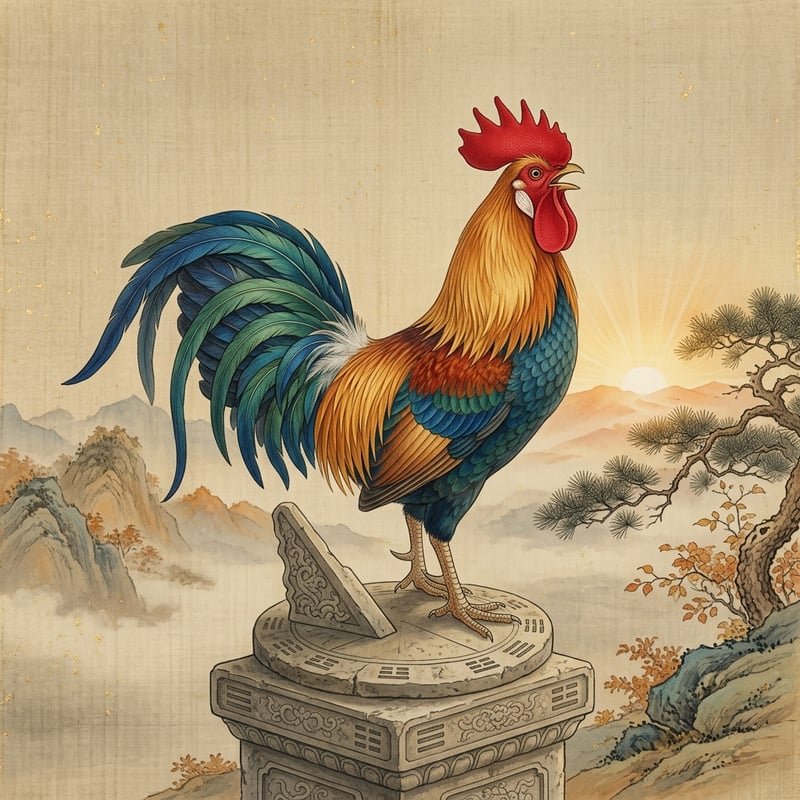

Beijing Ancient Observatory Bronze Armillary Sphere (浑天仪 1442 CE)
The historical astronomical instrument coordinating the 12 Earthly Branches and 28 Lunar Mansions across the equatorial coordinate ring.
Beijing Ancient Observatory (Peking Observatory, Ming Dynasty 1442 CE) / Cultural Heritage Preservation
Career & Vocation
Dominates in enterprise founding, political statesmanship, cinema, high architecture, aerospace, and transformative innovation.
Love & Relationships
Grand, generous, and passionately loyal. Dragons seek an equal partner who is confident, intellectually formidable, and supportive of great shared adventures.
Overview & Cultural Significance
Standing fifth in the Shengxiao pantheon, the Dragon is the sole mythical beast among the twelve animals—a supreme symbol of imperial power, celestial fortune, divine protection, and monumental vision. In classical Chinese cosmology, the Dragon is not a fearsome monster to be slain, but an auspicious deity of the clouds and rain who controls the seasonal waters to nourish the earth. Associated with the Chen Hour of mid-morning (07:00–09:00) and the vibrant transition to late spring (the 3rd Lunar Month), the Dragon embodies boundless vitality, sovereign dignity, and transformative charisma.
Core Personality Traits & Archetype
Individuals born in the Year of the Dragon possess a magnetic presence, unquenchable ambition, and natural executive authority. They radiate an aura of confidence that draws others into their grand undertakings.
- Visionary Leadership: Expansive imagination capable of architecting monumental enterprises and inspiring mass movements.
- Fearless Magnanimity: Noble generosity, fierce loyalty to truth, and an instinctive disdain for petty gossip.
- Unstoppable Vitality: Dynamic physical and intellectual energy that thrives on overcoming formidable odds.
- High Standards: Passionate pursuit of excellence in all creative, vocational, and personal endeavors.
- Charismatic Authority: Natural presence that commands respect without needing coercive posturing.
Fixed Element & Yin/Yang Polarity
The Dragon’s Fixed Element is Earth (Tǔ), expressed through the dynamic Yang polarity. Yang Earth is the colossal mountain range—unshakable, grand, majestic, and reaching high into the heavens to capture passing clouds. Because the Dragon also harbors strong internal water reserves within its earthly branch (Chen), it acts as a “Water Reservoir” (Shuǐ Kù), granting profound emotional depth beneath its towering, confident exterior. This blend of Yang Earth stability and inner Water intuition makes the Dragon an unstoppable creative force.
Four Affinity Trines & Compatibility Dynamics
The Dragon is the radiant sun of the 1st Affinity Trine (The Visionaries & Innovators), harmonizing with the Rat and Monkey. In this powerhouse trinity, the Dragon provides sovereign grandeur and bold direction, the Rat supplies acute financial strategy and tactical timing, and the Monkey delivers inventive adaptability and technical genius. Additionally, the Dragon enjoys a sacred “Six Harmonies” (Liu He) connection with the Rooster, forming a prestigious bond where the Dragon’s visionary reach is brilliantly refined by the Rooster’s meticulous organization.
Challenging Pairings & Six Clashes
The primary opposing clash (Liu Chong) for the Dragon is the Dog. This 180° opposition reflects the ideological friction between the Dragon’s aristocratic, grand-scale ambition and the Dog’s grounded, egalitarian skepticism. The Dragon may perceive the Dog as overly cynical or critical of grand dreams, while the Dog may suspect the Dragon of being self-aggrandizing. Growth occurs when the Dragon listens to the Dog’s practical ethical concerns, and the Dog allows the Dragon room to soar.
Recent & Upcoming Lunar Years
- 1928: Earth Dragon (Jan 23, 1928 – Feb 9, 1929)
- 1940: Metal Dragon (Feb 8, 1940 – Jan 26, 1941)
- 1952: Water Dragon (Jan 27, 1952 – Feb 13, 1953)
- 1964: Wood Dragon (Feb 13, 1964 – Feb 1, 1965)
- 1976: Fire Dragon (Jan 31, 1976 – Feb 17, 1977)
- 1988: Earth Dragon (Feb 17, 1988 – Feb 5, 1989)
- 2000: Metal Dragon (Feb 5, 2000 – Jan 23, 2001)
- 2012: Water Dragon (Jan 23, 2012 – Feb 9, 2013)
- 2024: Wood Dragon (Feb 10, 2024 – Jan 28, 2025)
- 2036: Fire Dragon (Jan 28, 2036 – Feb 14, 2037)
Dragon (辰 · Chén) Epigraphic & Astrometric Register
Comprehensive scholarly concordance documenting Shang oracle bone glyph evolution, Han dynasty astronomical coordinates, 28 Lunar Mansions, and classical harmony dynamics.
Shang Epigraphy & Classical Philology
- Branch Logogram & Pinyin
- 辰
Chén - Shang Oracle Bone Philological Note
- Archaic oracle-bone graph portrays a curved plowing tool or lightning strike (辰), marking the vernal rumbling of agricultural awakening and rain.
- Shuowen Jiezi (121 CE) Lexicographic Gloss
- « 辰,震也。三月,阳气动,雷电振,民农时也。(Chen means trembling thunder; in the 3rd month Yang surges and thunder resounds for planting.) »
- Excavation Horizon
- Yinxu Pit YH127 bovine scapulae & turtle plastrons (c. 1200 BCE, Anyang, Henan)
Han Astrometry & Spatial Coordinates
- Shichen Double-Hour
-
07:00 – 09:00 (Morning)07:00 – 09:00 - Geodetic Azimuth & Direction
-
East-Southeast (120°)120° - Celestial Sky Quadrant
- Eastern Azure Dragon (Qinglong)
- Governing Lunar Mansions (Xiu)
- Mansions 1–3: Jiao (Horn), Kang (Neck), Di (Root)
Classical Harmonies & Dialectical Clashes
- Fixed Elemental Qi
- Yang · Earth
- Six Harmonies Secret Friend (Liu He)
- ●
Rooster (You) → Metal Element synthesis - Six Clashes Direct Opposition (Liu Chong)
- ●
Dog (Xu) — 180° Direct Polar Opposition - Three Harmonies Affinity Trine (San He)
- ●
First Trine (Dragon · Rat · Monkey) — Water Element Synthesis
1-Click Citation Export
Standard formatted academic citations for research publications, peer-reviewed bibliographies, and scholarly reference.
5-Tier Epistemological Truth Standard
Explore the primary artifacts, peer-reviewed monographs, astronomical ephemerides, and living tradition ethnography behind this page.
Calculated Astronomical Fact
Astronomical Lunar New Year (ChunJie) and Solar Term (Lichun) boundaries calculated from dynamical solar/lunar ephemerides matching Purple Mountain Observatory national standards (GB/T 33661-2017).
Primary Historical Evidence
- Yinxu Shang Dynasty Oracle Bone Ganzhi day-count tables (c. 1200 BCE)
- Dunhuang Manuscript Star Atlas (BL Or.8210/S.3326, c. 700 CE)
- Su Song Xinyi Xiangfa astronomical water clock tower treatise (1092 CE)
Scholarly Academic Interpretation
Needham & Wang (1959) Science and Civilisation in China (Vol. 3) and Han dynasty cosmological synthesis (Huainanzi Tianwenxun).
Living Cultural and Calendrical Tradition
Active Living Tradition: Maintained through continuous communal cultural lineage and living practice.Continuous living cultural tradition practiced globally across the Spring Festival (Chunjie), 24 solar terms (Jieqi), and the sexagenary lunisolar cycle.
Modern OmniZodiac Interpretation
Twelve animal personality archetypes, Five Elements (Wuxing) interactions, and Four Trines compatibility reflection.
Chinese Lunisolar Zodiac & Ganzhi
Expand your exploration across the 60 Sexagenary Ganzhi cycles, Five Elements, and animal branches.

Calculate Your Four Pillars (BaZi)
Determine your natal Year, Month, Day, and Hour pillars along with Wuxing balance.

Authoritative Historical Reference & Epigraphic Commentary
The twelve Earthly Branches (Dizhi) originated during the 2nd millennium BCE as geodetic and celestial hour markers long before they were allegorized with the twelve zoomorphic symbols during the Eastern Han (c. 1st century CE, recorded by Wang Chong in Lunheng). In ancient imperial astrometry, each branch represents an immutable 30° azimuth on the terrestrial horizon, directly coupled with a Shichen double-hour of the diurnal cycle and linked to the circumpolar orientation of the Northern Dipper (Beidou).