


Year of the Tiger
虎 (Hǔ) · Earthly Branch: 寅 (Yín)
The Tiger is the majestic monarch of the terrestrial realm, embodying fearless courage, magnetic vitality, and righteous ambition. As the symbol of spring awakening and sovereign d...
Essential Shengxiao Profile
Yín) Overview & Cultural Archetype
The Tiger is the majestic monarch of the terrestrial realm, embodying fearless courage, magnetic vitality, and righteous ambition. As the symbol of spring awakening and sovereign defense, the Tiger champions justice and ventures into uncharted frontiers without hesitation.
Core Strengths & Gifts
- Commanding charismatic presence and inspiring leadership
- Fearless readiness to champion underdogs and defend principles
- Dynamic creative passion that energizes collaborative groups
- Deep reservoir of inner resilience when confronting adversity
- Generous spirit that readily shares victories with allies
Growth Edges & Shadows
- Restlessness when confined to repetitive bureaucratic routines
- Impulsive decision-making driven by sudden emotional surges
- Difficulty accepting subordinate roles or compromising sovereign autonomy
The Five Elemental Manifestations
Over the 60-year sexagenary cycle (Ganzhi), this sign rotates through each of the Five Elements (Wuxing):
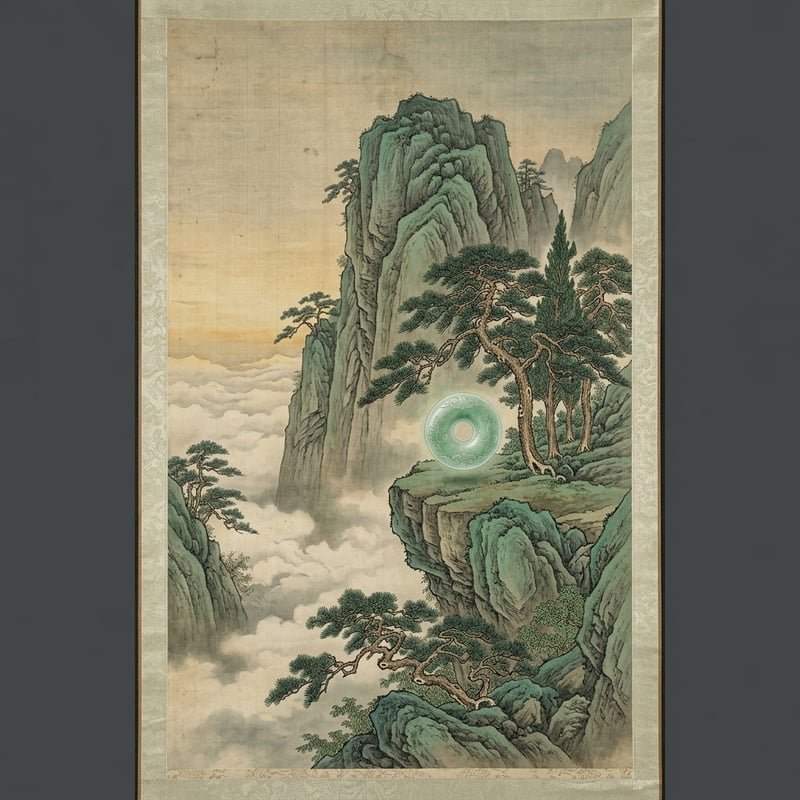
Wood Tiger
1914, 1974Expansive, collaborative, generous reformer with a strong sense of fair play.
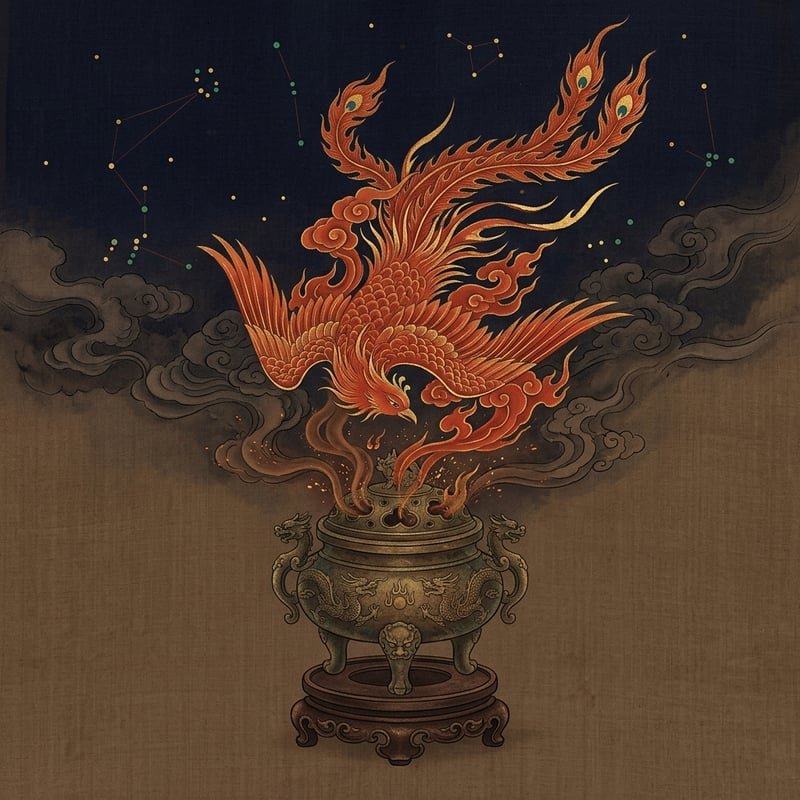
Fire Tiger
1926, 1986Fiercely charismatic, theatrical, magnetic visionary fueled by boundless passion.
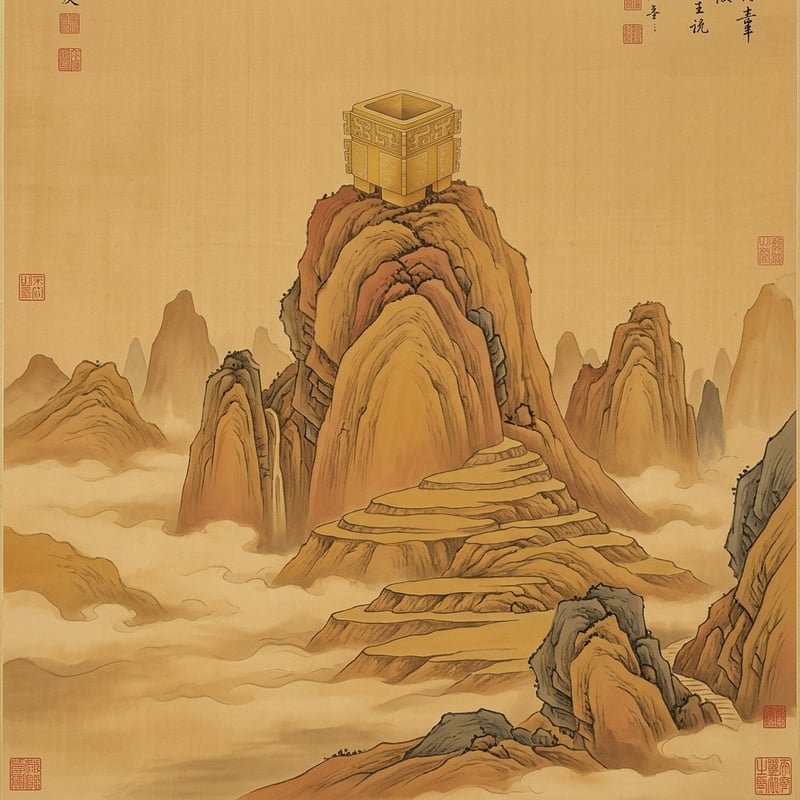
Earth Tiger
1938, 1998Pragmatic idealist, steady guardian with mature perspective and balanced courage.
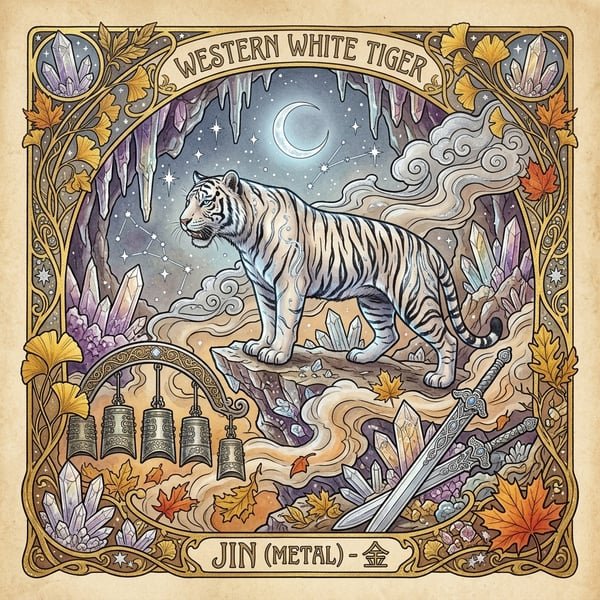
Metal Tiger
1950, 2010Uncompromising determination, intense focus, and fierce independence.
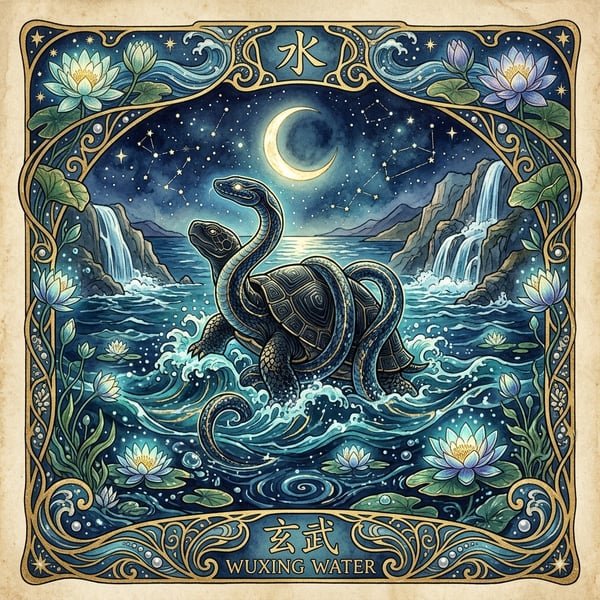
Water Tiger
1962, 2022Intuitive, philosophical, emotionally resonant, and receptive to subtle nuances.
Affinity Trine & Compatibility Dynamics
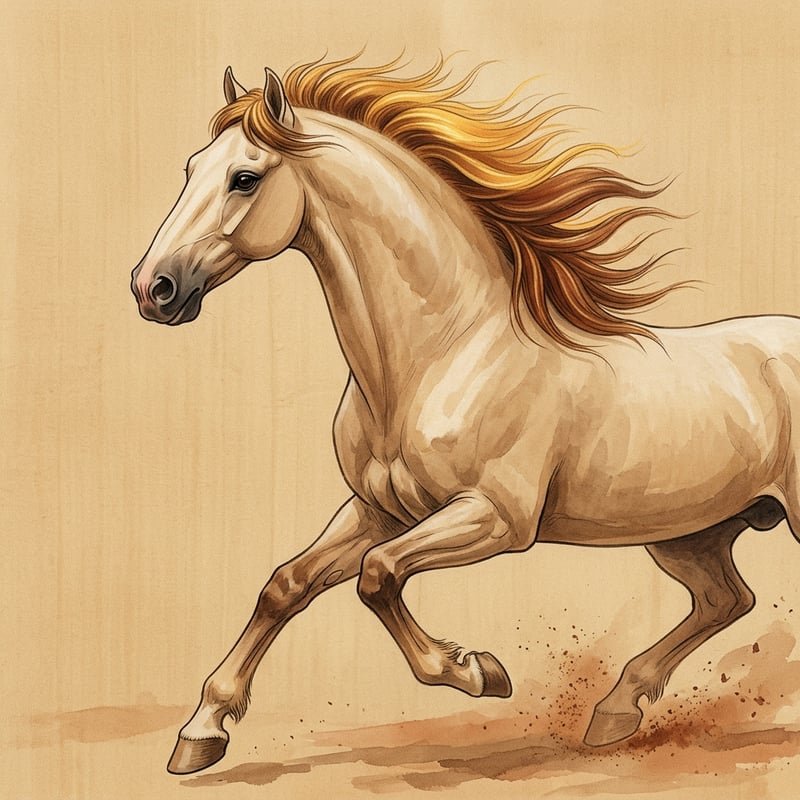
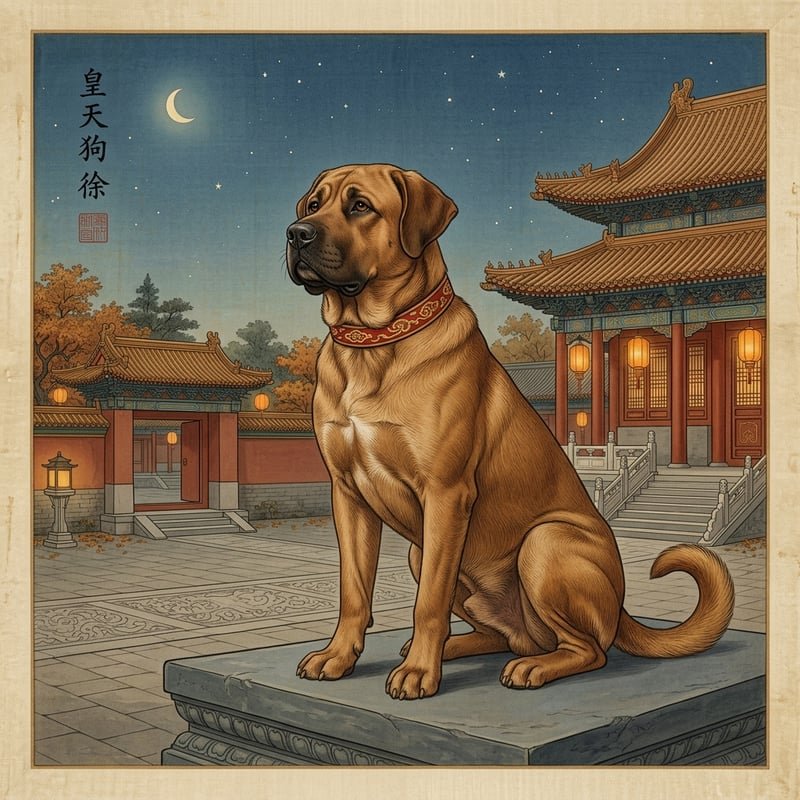
3rd Affinity Trine: The Humanitarians & Defenders (Tiger, Horse, Dog)
In Chinese lunisolar astrology, the 12 signs are arranged into Four Affinity Trines (सान-हे — 三合) spaced 120° apart. Members of the same trine share an instinctual bond, complementary modes of communication, and natural creative resonance.

Beijing Ancient Observatory Bronze Armillary Sphere (浑天仪 1442 CE)
The historical astronomical instrument coordinating the 12 Earthly Branches and 28 Lunar Mansions across the equatorial coordinate ring.
Beijing Ancient Observatory (Peking Observatory, Ming Dynasty 1442 CE) / Cultural Heritage Preservation
Career & Vocation
Dominates in executive leadership, aviation, entrepreneurship, artistic direction, human rights advocacy, and high-stakes trailblazing.
Love & Relationships
Passionate, dramatic, and intensely romantic. Tigers need a partner who celebrates their independence while providing warm grounding.
Overview & Cultural Significance
Holding the revered title of King of Beasts in Chinese mythology (Wang — 王), the Tiger represents dynamic sovereign power, unyielding courage, and fierce protective majesty. In ancient iconography, the three horizontal stripes crossed by a vertical mark on the Tiger’s forehead form the Chinese character for “King.” Associated with the dawn hours of Yin (03:00–05:00) and the onset of early spring (the 1st Lunar Month), the Tiger marks the explosive awakening of dormant life, cutting through the frozen earth with unstoppable vitality and bold authority.
Core Personality Traits & Archetype
Individuals born in the Year of the Tiger are celebrated for their charismatic presence, daring spirit, and passionate defense of justice. They are magnetic trailblazers who follow their convictions with fierce independence.
- Audacious Courage: Fearless readiness to take bold initiatives and confront entrenched challenges.
- Passionate Conviction: Deep moral intensity and hatred of injustice or oppressive hierarchy.
- Charismatic Magnetism: Natural commanding presence that rallies and inspires teams toward noble causes.
- Generous Heart: Expansive warmth, protective loyalty, and readiness to shield the vulnerable.
- Dynamic Intuition: Rapid instincts that allow decisive action under immense pressure.
Fixed Element & Yin/Yang Polarity
The Tiger’s intrinsic Fixed Element is Wood (Mù), expressing through the bold Yang polarity. Yang Wood is symbolized by a towering, mighty ancient tree—upright, unbending, expansive, and constantly reaching toward the sun. This gives the Tiger an indomitable will, an unshakeable ethical code, and an unquenchable drive for growth and exploration. The Tiger cannot tolerate stagnation; its Yang Wood nature demands continual expansion and heroic purpose.
Four Affinity Trines & Compatibility Dynamics
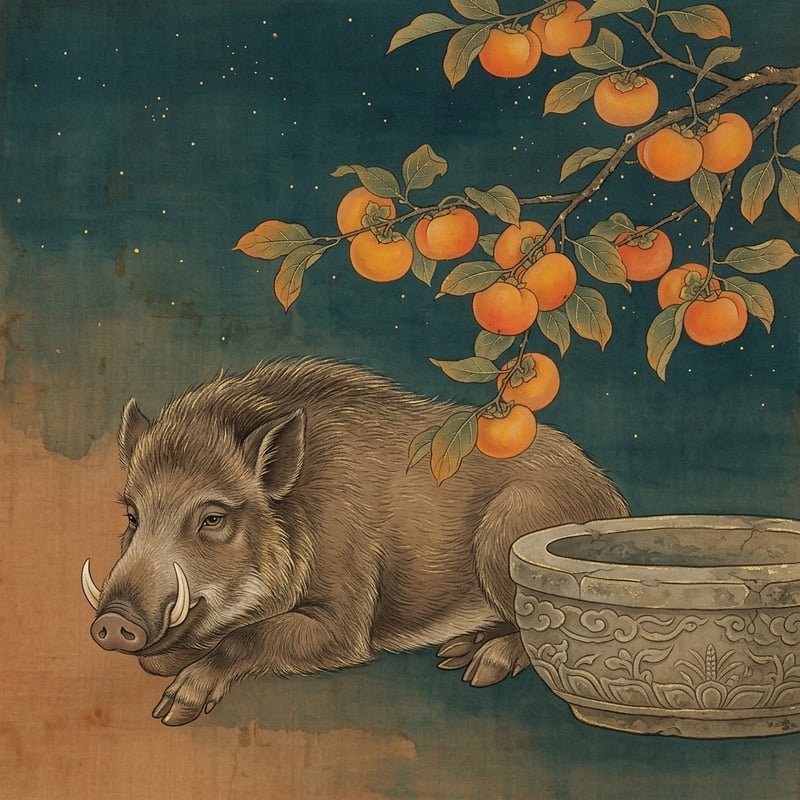
The Tiger commands the 3rd Affinity Trine (The Protectors & Humanitarians) alongside the Horse and Dog. This trinity is bound by shared passion, profound loyalty, and an instinctive commitment to noble ideals. The Tiger provides the daring initiative and charismatic fire, the Horse brings unbridled enthusiasm and stamina, and the Dog supplies fierce loyalty, grounding wisdom, and ethical vigilance. Additionally, the Tiger holds a cherished “Six Harmonies” (Liu He) connection with the Pig, finding peace and emotional equilibrium in the Pig’s generous, unpretentious warmth.
Challenging Pairings & Six Clashes
The primary opposing clash (Liu Chong) for the Tiger is the Monkey. Positioned directly opposite across the zodiac, this dynamic pits the Tiger’s direct, dignified idealism against the Monkey’s mischievous, playful pragmatism. The Tiger may view the Monkey as irreverent or opportunistic, while the Monkey may see the Tiger as overly dramatic or dogmatic. Conscious growth occurs when the Tiger embraces lighthearted adaptability and the Monkey respects noble integrity.
Recent & Upcoming Lunar Years
- 1926: Fire Tiger (Feb 13, 1926 – Feb 1, 1927)
- 1938: Earth Tiger (Jan 31, 1938 – Feb 18, 1939)
- 1950: Metal Tiger (Feb 17, 1950 – Feb 5, 1951)
- 1962: Water Tiger (Feb 5, 1962 – Jan 24, 1963)
- 1974: Wood Tiger (Jan 23, 1974 – Feb 10, 1975)
- 1986: Fire Tiger (Feb 9, 1986 – Jan 28, 1987)
- 1998: Earth Tiger (Jan 28, 1998 – Feb 15, 1999)
- 2010: Metal Tiger (Feb 14, 2010 – Feb 2, 2011)
- 2022: Water Tiger (Feb 1, 2022 – Jan 21, 2023)
- 2034: Wood Tiger (Feb 19, 2034 – Feb 7, 2035)
Tiger (寅 · Yín) Epigraphic & Astrometric Register
Comprehensive scholarly concordance documenting Shang oracle bone glyph evolution, Han dynasty astronomical coordinates, 28 Lunar Mansions, and classical harmony dynamics.
Shang Epigraphy & Classical Philology
- Branch Logogram & Pinyin
- 寅
Yín - Shang Oracle Bone Philological Note
- Archaic bronze script depicts an arrow stretched on a bowstring (寅), signifying the forceful outward emergence and spring expansion of life.
- Shuowen Jiezi (121 CE) Lexicographic Gloss
- « 寅,髕也。正月,阳气动,去黄泉而上。(Yin means stretching forth; in the 1st month Yang energy ascends from subterranean depths.) »
- Excavation Horizon
- Yinxu Pit YH127 bovine scapulae & turtle plastrons (c. 1200 BCE, Anyang, Henan)
Han Astrometry & Spatial Coordinates
- Shichen Double-Hour
-
03:00 – 05:00 (Dawn)03:00 – 05:00 - Geodetic Azimuth & Direction
-
East-Northeast (60°)60° - Celestial Sky Quadrant
- Eastern Azure Dragon (Qinglong)
- Governing Lunar Mansions (Xiu)
- Mansions 6–7: Wei (Tail) & Ji (Winnowing Basket)
Classical Harmonies & Dialectical Clashes
- Fixed Elemental Qi
- Yang · Wood
- Six Harmonies Secret Friend (Liu He)
- ●
Pig (Hai) → Wood Element synthesis - Six Clashes Direct Opposition (Liu Chong)
- ●
Monkey (Shen) — 180° Direct Polar Opposition - Three Harmonies Affinity Trine (San He)
- ●
Third Trine (Tiger · Horse · Dog) — Fire Element Synthesis
1-Click Citation Export
Standard formatted academic citations for research publications, peer-reviewed bibliographies, and scholarly reference.
5-Tier Epistemological Truth Standard
Explore the primary artifacts, peer-reviewed monographs, astronomical ephemerides, and living tradition ethnography behind this page.
Calculated Astronomical Fact
Astronomical Lunar New Year (ChunJie) and Solar Term (Lichun) boundaries calculated from dynamical solar/lunar ephemerides matching Purple Mountain Observatory national standards (GB/T 33661-2017).
Primary Historical Evidence
- Yinxu Shang Dynasty Oracle Bone Ganzhi day-count tables (c. 1200 BCE)
- Dunhuang Manuscript Star Atlas (BL Or.8210/S.3326, c. 700 CE)
- Su Song Xinyi Xiangfa astronomical water clock tower treatise (1092 CE)
Scholarly Academic Interpretation
Needham & Wang (1959) Science and Civilisation in China (Vol. 3) and Han dynasty cosmological synthesis (Huainanzi Tianwenxun).
Living Cultural and Calendrical Tradition
Active Living Tradition: Maintained through continuous communal cultural lineage and living practice.Continuous living cultural tradition practiced globally across the Spring Festival (Chunjie), 24 solar terms (Jieqi), and the sexagenary lunisolar cycle.
Modern OmniZodiac Interpretation
Twelve animal personality archetypes, Five Elements (Wuxing) interactions, and Four Trines compatibility reflection.
Chinese Lunisolar Zodiac & Ganzhi
Expand your exploration across the 60 Sexagenary Ganzhi cycles, Five Elements, and animal branches.

Calculate Your Four Pillars (BaZi)
Determine your natal Year, Month, Day, and Hour pillars along with Wuxing balance.

Authoritative Historical Reference & Epigraphic Commentary
The twelve Earthly Branches (Dizhi) originated during the 2nd millennium BCE as geodetic and celestial hour markers long before they were allegorized with the twelve zoomorphic symbols during the Eastern Han (c. 1st century CE, recorded by Wang Chong in Lunheng). In ancient imperial astrometry, each branch represents an immutable 30° azimuth on the terrestrial horizon, directly coupled with a Shichen double-hour of the diurnal cycle and linked to the circumpolar orientation of the Northern Dipper (Beidou).