
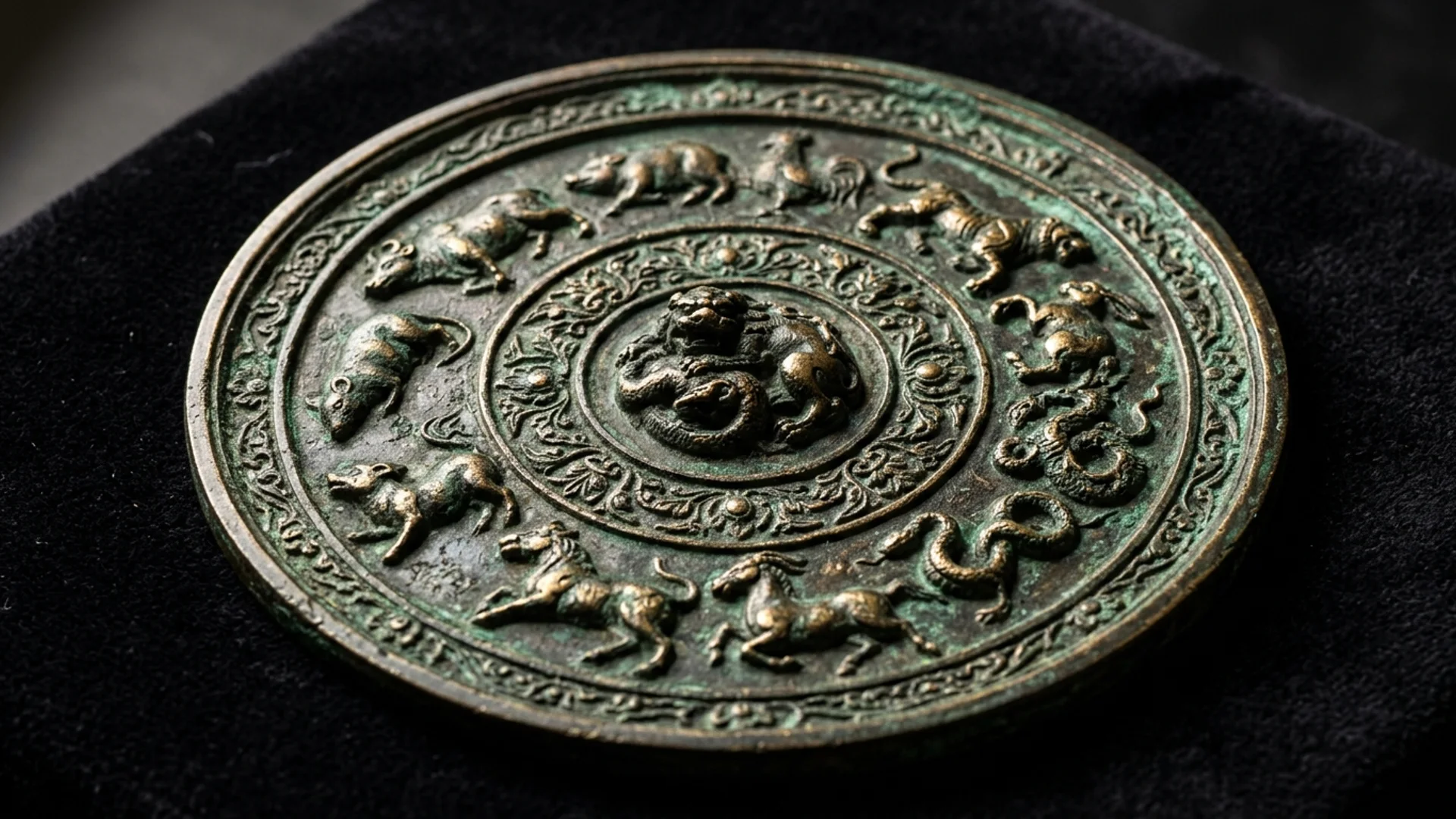
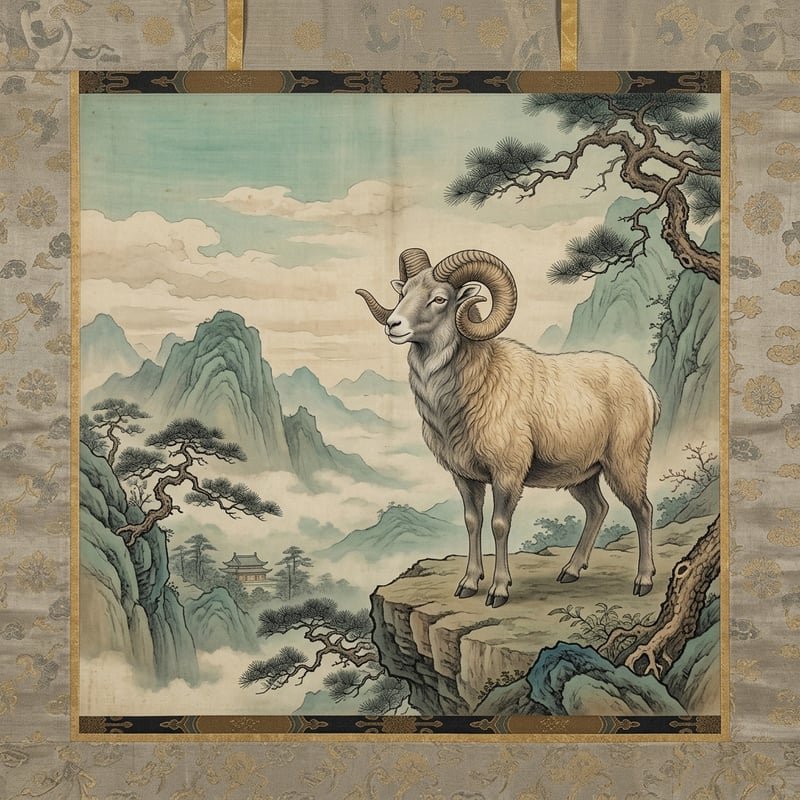
Year of the Goat
羊 (Yáng) · Earthly Branch: 未 (Wèi)
The Goat embodies boundless artistic tenderness, compassionate harmony, and gentle resilience. In Chinese ideography, the character for beauty (美 Měi) and auspiciousness (祥 Xiáng) ...
Essential Shengxiao Profile
Wèi) Overview & Cultural Archetype
The Goat embodies boundless artistic tenderness, compassionate harmony, and gentle resilience. In Chinese ideography, the character for beauty (美 Měi) and auspiciousness (祥 Xiáng) both contain the root for Goat (羊), honoring this sign as the sacred vessel of peace and grace.
Core Strengths & Gifts
- Profoundly compassionate nature and restorative emotional presence
- Natural talent for visual arts, music, cuisine, and literature
- Instinctive diplomacy that smooths discord into mutual harmony
- Understated resilience that endures hardship without losing softness
- Deep devotion to nurturing family, loved ones, and community roots
Growth Edges & Shadows
- Tendency toward self-doubt or anxiety when unsupported
- Reluctance to assert firm personal boundaries against demanding peers
- Can fall into melancholy or pessimism if surrounded by harsh environments
The Five Elemental Manifestations
Over the 60-year sexagenary cycle (Ganzhi), this sign rotates through each of the Five Elements (Wuxing):
Wood Goat
1955, 2015Compassionate, artistic, gentle protector with deep community devotion.
Fire Goat
1967, 2027Expressive, passionate creator with dramatic flair and warm charisma.
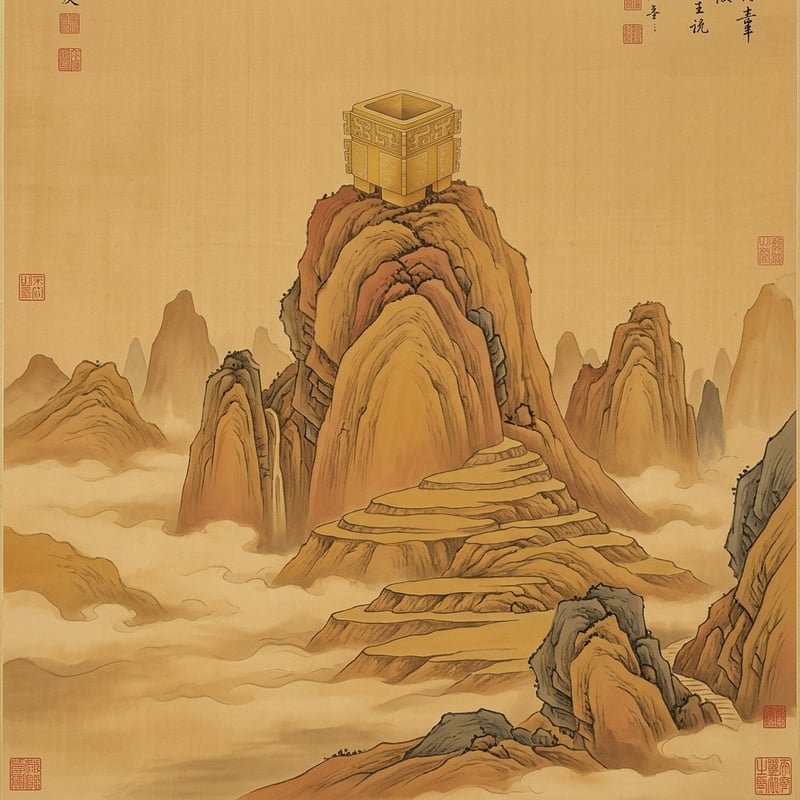
Earth Goat
1919, 1979Grounded nurturer, dependable, generous host with serene domestic wisdom.
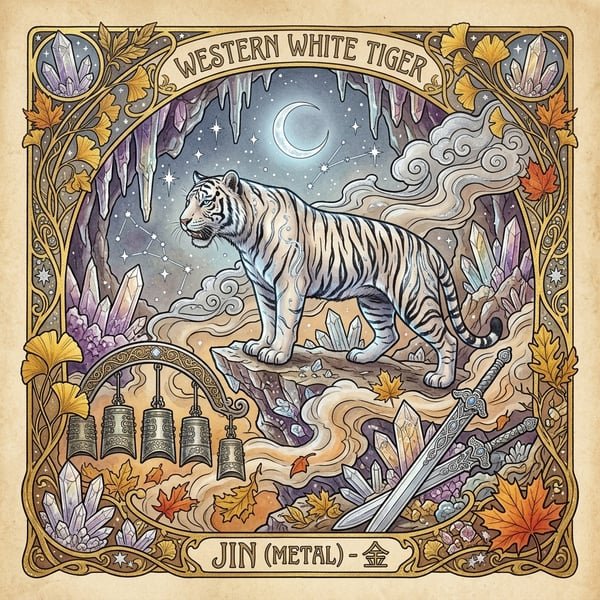
Metal Goat
1931, 1991Refined aesthetic standards, resolute inner pride, and exquisite taste.
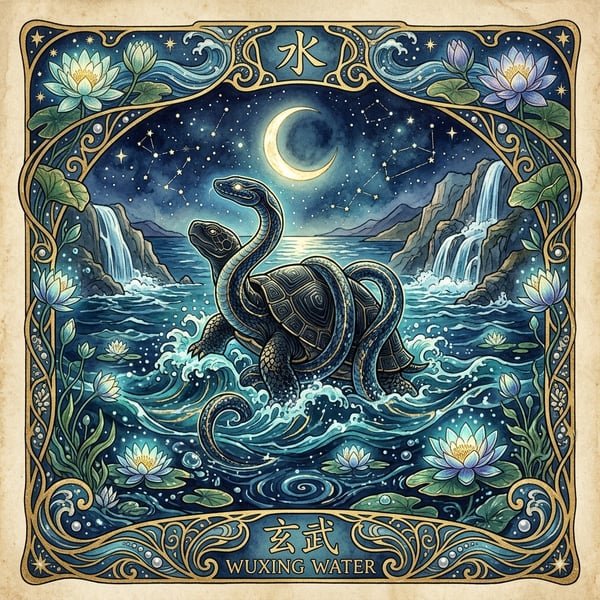
Water Goat
1943, 2003Deeply intuitive, poetic, emotionally attuned with restorative empathy.
Affinity Trine & Compatibility Dynamics
4th Affinity Trine: The Peacemakers & Artists (Rabbit, Goat, Pig)
In Chinese lunisolar astrology, the 12 signs are arranged into Four Affinity Trines (सान-हे — 三合) spaced 120° apart. Members of the same trine share an instinctual bond, complementary modes of communication, and natural creative resonance.


Beijing Ancient Observatory Bronze Armillary Sphere (浑天仪 1442 CE)
The historical astronomical instrument coordinating the 12 Earthly Branches and 28 Lunar Mansions across the equatorial coordinate ring.
Beijing Ancient Observatory (Peking Observatory, Ming Dynasty 1442 CE) / Cultural Heritage Preservation
Career & Vocation
Thrives in fine arts, music, humanitarian aid, veterinary sciences, landscape architecture, poetry, and culinary creation.
Love & Relationships
Deeply tender, empathetic, and romantic. Goats need a supportive, grounded partner who provides security while honoring their rich emotional world.
Overview & Cultural Significance
Eighth in the Shengxiao sequence, the Goat (also referred to as Sheep or Ram) is the sacred archetype of gentleness, creative imagination, filial harmony, and profound empathy. In the etymology of Chinese characters, the ideogram for Goat (羊) forms the root of “Beauty” (Měi — 美, a large goat) and “Auspiciousness” (Xiáng — 祥). In classical pastoral lore, the Goat is revered for kneeling respectfully to nurse, symbolizing gratitude, filial devotion, and gentleness. Associated with the Wei Hour of early afternoon (13:00–15:00) and the golden warmth of late summer (the 6th Lunar Month), the Goat represents the nurturing abundance of nature and artistic peace.
Core Personality Traits & Archetype
Individuals born in the Year of the Goat possess a gentle disposition, deep artistic sensitivity, and an innate capacity for compassion. They prioritize emotional harmony and peaceful surroundings over aggressive competition.
- Artistic Sensitivity: Rich imaginative inner world with remarkable talents for visual arts, music, interior design, and poetry.
- Gentle Empathy: Unmatched capacity to comfort others in distress through attentive, non-judgmental presence.
- Peaceful Harmony: Natural peacemaker who avoids harsh conflict and cultivates soothing, beautiful environments.
- Resilient Adaptability: Quiet inner strength that weathers life’s storms with grace and patience rather than aggression.
- Generous Loyalty: Deep devotion to close family and cherished friends, offering unwavering emotional warmth.
Fixed Element & Yin/Yang Polarity
The Goat’s Fixed Element is Earth (Tǔ), operating through the gentle Yin polarity. Yin Earth is the rich, warm, sun-drenched garden soil of late summer—fertile, receptive, yielding, and bursting with fragrant blooms. Furthermore, within its earthly branch (Wei), the Goat harbors internal Fire and Wood reserves, making it a “Wood Reservoir” (Mù Kù). This grants the Goat immense creative growth potential and subtle warmth beneath its modest, accommodating exterior.
Four Affinity Trines & Compatibility Dynamics
The Goat is a creative heart of the 4th Affinity Trine (The Diplomats & Artists), joined in deep resonance with the Rabbit and Pig. This trinity shares a profound commitment to emotional peace, artistic expression, and mutual empathy. The Goat brings poetic inspiration and intuitive warmth, the Rabbit provides diplomatic elegance and intellectual discernment, and the Pig offers generous hospitality and practical comfort. Additionally, the Goat shares a sacred “Six Harmonies” (Liu He) bond with the Horse, offering calming emotional grounding to the Horse’s fiery vitality.
Challenging Pairings & Six Clashes
The primary opposing clash (Liu Chong) for the Goat is the Ox. Positioned directly opposite across the zodiac, this dynamic reflects the philosophical tension between Yin Earth’s rigid, unyielding discipline (Ox) and Yin Earth’s fluid, sensitive emotional artistry (Goat). The Goat may perceive the Ox as cold, stubborn, or excessively demanding, while the Ox may see the Goat as overly sensitive or impractical. Conscious growth occurs when the Goat develops practical discipline and the Ox learns gentle emotional openness.
Recent & Upcoming Lunar Years
- 1931: Metal Goat (Feb 17, 1931 – Feb 5, 1932)
- 1943: Water Goat (Feb 5, 1943 – Jan 24, 1944)
- 1955: Wood Goat (Jan 24, 1955 – Feb 11, 1956)
- 1967: Fire Goat (Feb 9, 1967 – Jan 29, 1968)
- 1979: Earth Goat (Jan 28, 1979 – Feb 15, 1980)
- 1991: Metal Goat (Feb 15, 1991 – Feb 3, 1992)
- 2003: Water Goat (Feb 1, 2003 – Jan 21, 2004)
- 2015: Wood Goat (Feb 19, 2015 – Feb 7, 2016)
- 2027: Fire Goat (Feb 6, 2027 – Jan 25, 2028)
- 2039: Earth Goat (Jan 24, 2039 – Feb 11, 2040)
Goat (未 · Wèi) Epigraphic & Astrometric Register
Comprehensive scholarly concordance documenting Shang oracle bone glyph evolution, Han dynasty astronomical coordinates, 28 Lunar Mansions, and classical harmony dynamics.
Shang Epigraphy & Classical Philology
- Branch Logogram & Pinyin
- 未
Wèi - Shang Oracle Bone Philological Note
- Archaic oracle-bone graph depicts a flourishing tree with abundant branches and foliage (未), denoting luxuriant fruition and mature flavor.
- Shuowen Jiezi (121 CE) Lexicographic Gloss
- « 未,昧也。六月,滋味也。五行到未而木气茂成。(Wei means mature savor; in the 6th month vegetation is ripe and full.) »
- Excavation Horizon
- Yinxu Pit YH127 bovine scapulae & turtle plastrons (c. 1200 BCE, Anyang, Henan)
Han Astrometry & Spatial Coordinates
- Shichen Double-Hour
-
13:00 – 15:00 (Early Afternoon)13:00 – 15:00 - Geodetic Azimuth & Direction
-
South-Southwest (210°)210° - Celestial Sky Quadrant
- Southern Vermilion Bird (Zhuque)
- Governing Lunar Mansions (Xiu)
- Mansions 22–24: Jing (Well), Gui (Ghost), Liu (Willow)
Classical Harmonies & Dialectical Clashes
- Fixed Elemental Qi
- Yin · Earth
- Six Harmonies Secret Friend (Liu He)
- ●
Horse (Wu) → Earth/Fire Element synthesis - Six Clashes Direct Opposition (Liu Chong)
- ●
Ox (Chou) — 180° Direct Polar Opposition - Three Harmonies Affinity Trine (San He)
- ●
Fourth Trine (Goat · Rabbit · Pig) — Wood Element Synthesis
1-Click Citation Export
Standard formatted academic citations for research publications, peer-reviewed bibliographies, and scholarly reference.
5-Tier Epistemological Truth Standard
Explore the primary artifacts, peer-reviewed monographs, astronomical ephemerides, and living tradition ethnography behind this page.
Calculated Astronomical Fact
Astronomical Lunar New Year (ChunJie) and Solar Term (Lichun) boundaries calculated from dynamical solar/lunar ephemerides matching Purple Mountain Observatory national standards (GB/T 33661-2017).
Primary Historical Evidence
- Yinxu Shang Dynasty Oracle Bone Ganzhi day-count tables (c. 1200 BCE)
- Dunhuang Manuscript Star Atlas (BL Or.8210/S.3326, c. 700 CE)
- Su Song Xinyi Xiangfa astronomical water clock tower treatise (1092 CE)
Scholarly Academic Interpretation
Needham & Wang (1959) Science and Civilisation in China (Vol. 3) and Han dynasty cosmological synthesis (Huainanzi Tianwenxun).
Living Cultural and Calendrical Tradition
Active Living Tradition: Maintained through continuous communal cultural lineage and living practice.Continuous living cultural tradition practiced globally across the Spring Festival (Chunjie), 24 solar terms (Jieqi), and the sexagenary lunisolar cycle.
Modern OmniZodiac Interpretation
Twelve animal personality archetypes, Five Elements (Wuxing) interactions, and Four Trines compatibility reflection.
Chinese Lunisolar Zodiac & Ganzhi
Expand your exploration across the 60 Sexagenary Ganzhi cycles, Five Elements, and animal branches.

Calculate Your Four Pillars (BaZi)
Determine your natal Year, Month, Day, and Hour pillars along with Wuxing balance.

Authoritative Historical Reference & Epigraphic Commentary
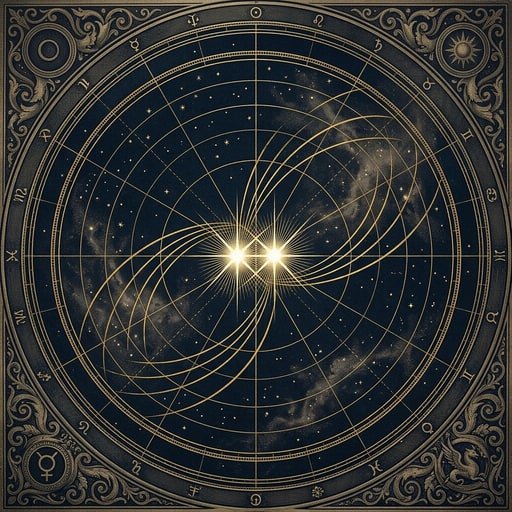
The twelve Earthly Branches (Dizhi) originated during the 2nd millennium BCE as geodetic and celestial hour markers long before they were allegorized with the twelve zoomorphic symbols during the Eastern Han (c. 1st century CE, recorded by Wang Chong in Lunheng). In ancient imperial astrometry, each branch represents an immutable 30° azimuth on the terrestrial horizon, directly coupled with a Shichen double-hour of the diurnal cycle and linked to the circumpolar orientation of the Northern Dipper (Beidou).